Business Intelligence

What is Business Intelligence? Business Intelligence (BI), is a method of compiling, analyzing, and interpreting business data to make better-informed decisions. BI data is typically compiled through extensive research across a wide range of sources — including industry reports, customer feedback, actual usage data of the company’s products, and competitive research.


Go-to-Market Strategy

What is a Go-to-Market Strategy? A go-to-market strategy is a tactical plan detailing how a company plans to execute a successful product release and promotion, and ultimately its sale to customers. Common elements of a product’s go-to-market strategy include: Pricing strategy Sales tactics and channels A planned customer journey map Marketing tactics and campaigns Budget […]

Unique Selling Proposition

What is a Unique Selling Proposition? A unique selling proposition (USP) is a clear and succinct description of how your product is both different from and better than those of your competitors. To qualify as an effective unique selling proposition, this statement must address two criteria. It should explain what sets your product apart from […]

Product Positioning

What Is Product Positioning? Product positioning is the process of deciding and communicating how you want your market to think and feel about your product. Successful product positioning requires your team to articulate: How your product can solve your customer’s problem Why it is a better solution than its competitors Why Is Product Positioning Important? […]

Incremental Innovation

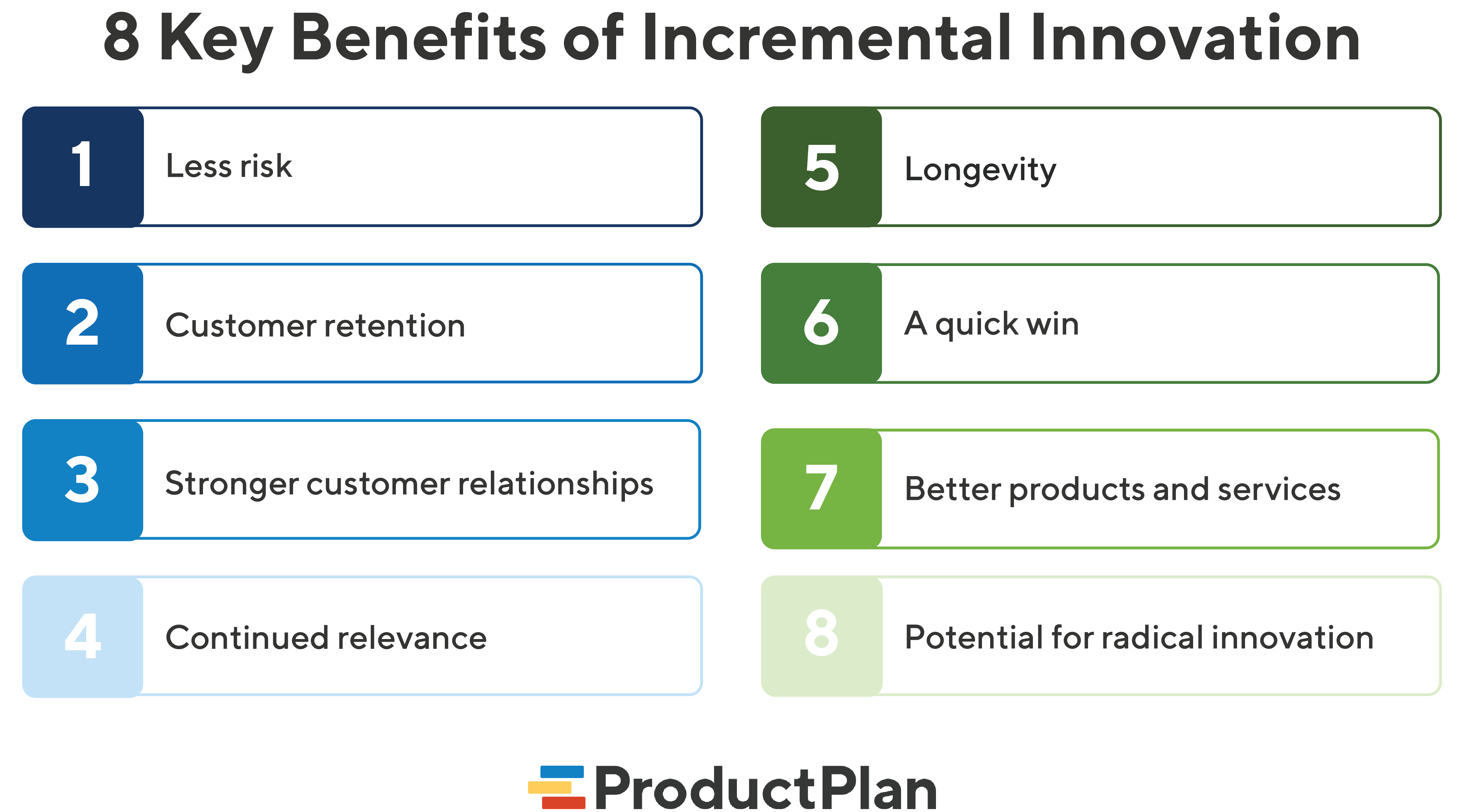
What Is Incremental Innovation? Incremental innovation refers to a series of small-scale improvements made to an existing product or service to add or sustain value. Rather than introducing a potentially risky brand-new product, this product strategy entails modifying a current product to improve retention, relevance, and longevity, among many other benefits. Any size company can […]

Business Model Canvas

What is the Business Model Canvas? A business model canvas provides a high-level, comprehensive view of the various strategic details required to successfully bring a product to market. The typical use case for this tool is to outline the fundamental building blocks of a business, but it can be used effectively for individual products as […]

Pivot

What is Pivot? Definition: Pivot in a product management context may refer to a shift in the strategic direction of the business. Usually the decision to pivot a product is the result of competitive changes, new findings about the market, or shortcomings in the original strategy.

Top-Down Product Strategy

What is a Top-Down Product Strategy? Definition: A top-down product strategy is one where high-level objectives and a long-term vision are defined first and then used to inform what follows. In top-down planning, the roadmap conveys the strategy but is not built and prioritized until goals and the vision are in place.

Minimum Viable Experience (MVE)

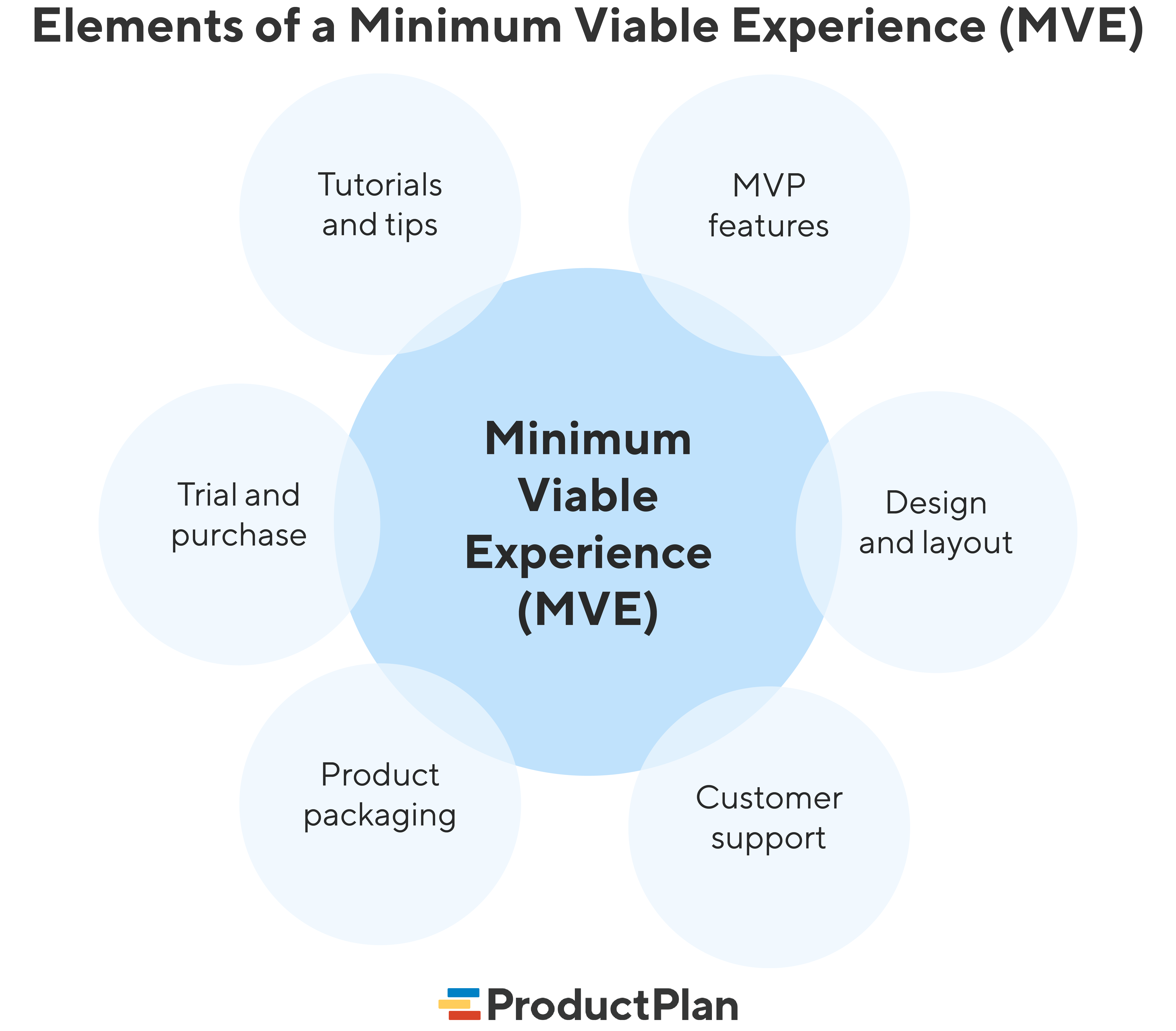
What Is a Minimum Viable Experience (MVE)? In product management, “minimum viable” refers to something the team believes it can release to the market to gain useful feedback. Product teams aim for a minimum viable product (MVP) to balance building enough functionality to validate their idea while pushing out a product quickly. But product teams […]

User Interface

A user interface, or UI, is any part of a product or system which the end user interacts with. Users work within a user interface, or UI, to control or operate the product or machine they are using.