End-User Era

What Is the End-User Era? The end-user era refers to a new trend in how businesses buy software. The decisions about which enterprise applications to purchase are shifting from company executives. Instead, it’s the employees who will use these software tools to do their jobs. In the end-user era, both software makers and the businesses […]


Customer Experience

What Is Customer Experience? Customer experience refers to the totality of a customer’s encounters with a business and how those interactions make the person feel about the company. Several departments across an organization will communicate with customers at different points in their journey. Since each department affects the customer, it’s important to be aware of […]

Enterprise Transformation

What Is Enterprise Transformation? Enterprise transformation refers to a fundamental change in the way a business operates. This could include a change to an organization’s core technology, the way the company structures its teams, or how it develops and sells its products. What Are Examples of Enterprise Transformation? Enterprise transformation can take many forms. Let’s […]

Key Performance Indicator (KPI)

KPI stands for Key Performance Indicator. What is a Key Performance Indicator? Key performance indicators, or KPIs, are quantitative metrics organizations use to track and analyze performance or progress toward business objectives. Organizations typically monitor KPIs they deem mission-critical to the overall success of the company. These could include financial metrics, such as revenue or […]

Lifetime Value (LTV)

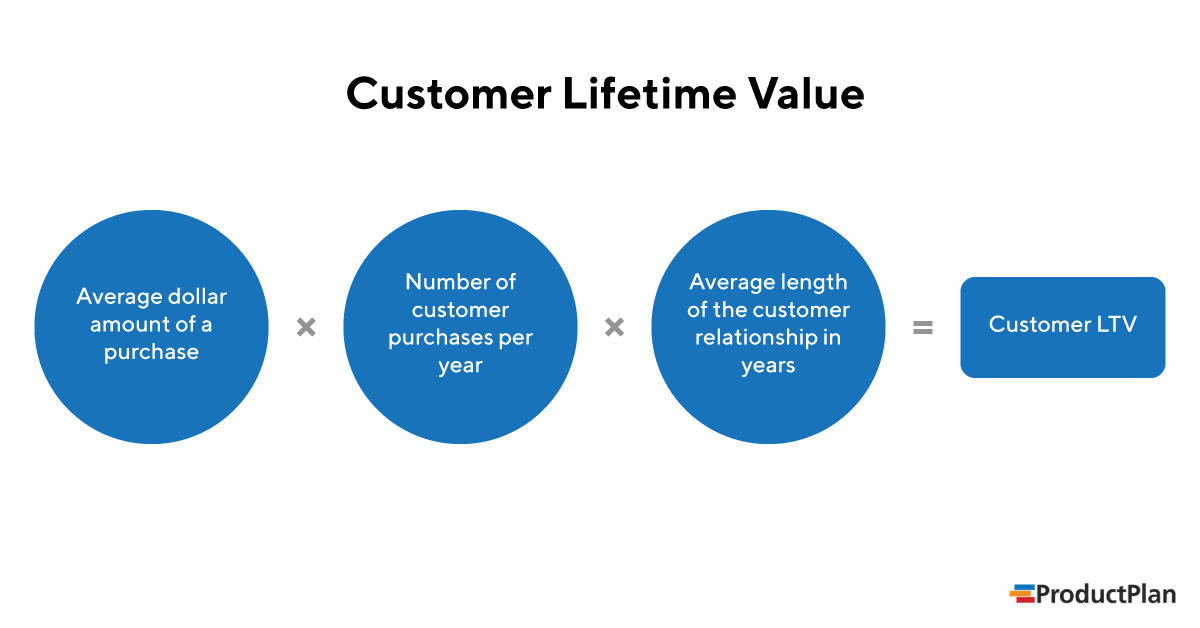
What Is Lifetime Value (LTV)? Lifetime value (LTV) estimates how much revenue a customer represents a business over the life of that relationship. Also called customer lifetime value (CLV, or CLTV), this is a critical metric for a company trying to gauge the cost efficiency of acquiring new customers and supporting them over time. Why […]

Retention Rate

What Does Retention Rate Mean? In marketing and product management, retention rate refers to the percentage of customers who continue paying for a product over a given timeframe. This is a critical success metric for subscription-based businesses, such as SaaS software providers, and companies whose customers repeatedly buy the same products from them, such as […]

Product Analytics

What are Product Analytics? The term product analytics refers to capturing and analyzing quantitative data through embedded tools that record how users interact with a product. This type of usage data can include the most frequently accessed features of a product, the average time users spend taking a specific action, and a map of each […]

Turnover Rate

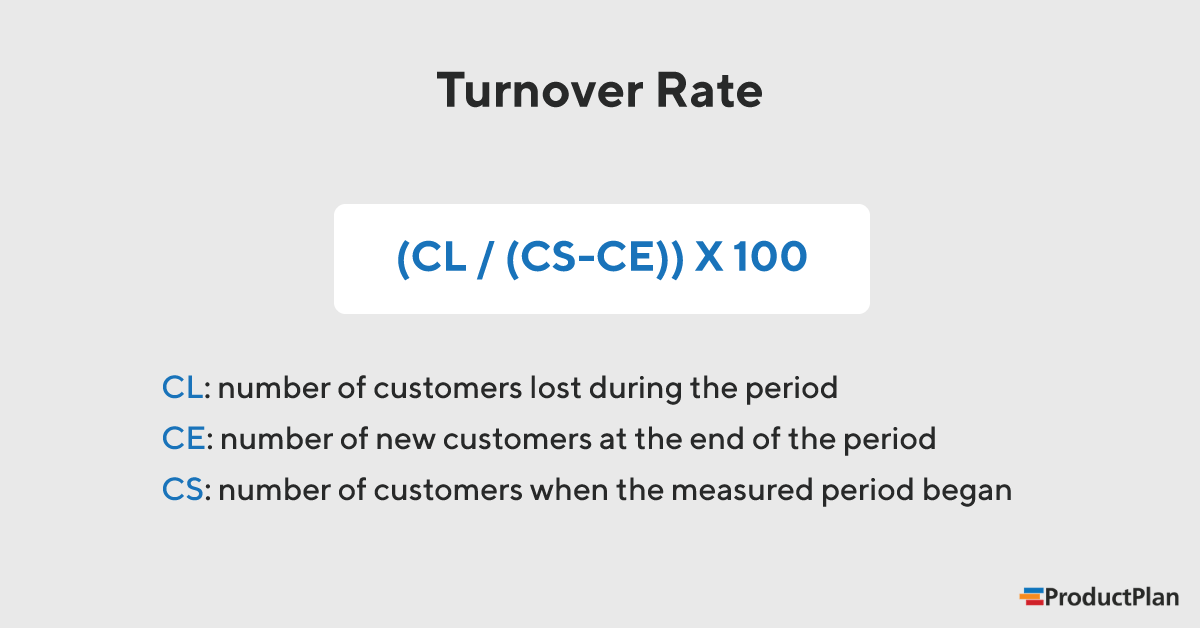
What Does Turnover Rate Mean? For a product or marketing team, turnover rate refers to the percentage of customers lost over a period of time. For a SaaS company, the turnover rate will include both customers who actively cancel their subscriptions and simply don’t renew them. Many businesses refer to the customer turnover rate as […]

Product Metrics

What Are Product Metrics? Product metrics, sometimes called key performance indicators, are quantifiable data points that an organization tracks and analyzes to gauge a product’s success. Examples include conversion rate, churn rate, and monthly recurring revenue. These metrics should all tie back to the product strategy. Why Are Metrics Important? Metrics have the potential to […]

Product-Market Fit

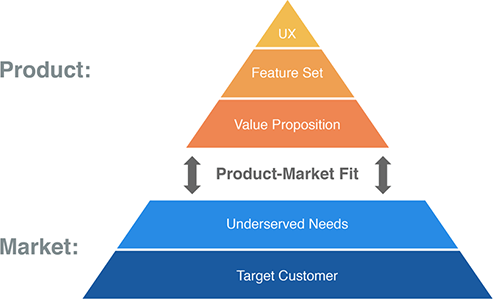
What is Product-Market Fit? Product-market fit describes a scenario in which a company’s target customers are buying, using, and telling others about the company’s product in numbers large enough to sustain that product’s growth and profitability. According to entrepreneur and investor Marc Andreesen, who is often credited with developing the concept, product-market fit means finding […]