Sprint

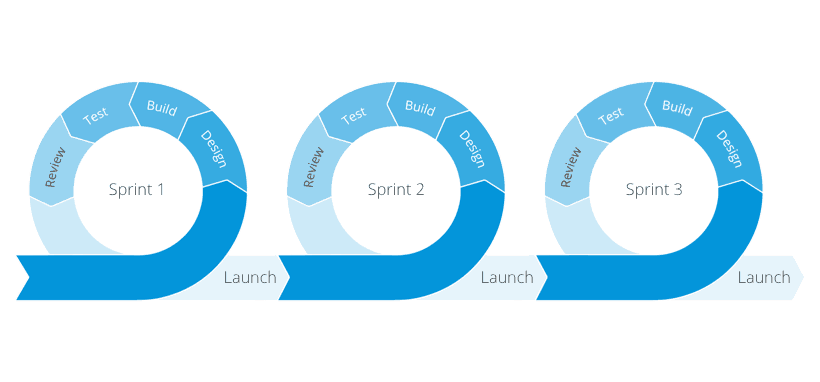
What is an Agile Sprint? In agile methodology, a sprint is a period (e.g., 14 days) in which an agreed-upon set of development tasks takes place. The agile methodology embraces short, frequent bursts of development, and iterative product releases. In contrast to more traditional product development where larger chunks of functionality are built at a […]

User Story

Definition: A user story is a small, self-contained unit of development work designed to accomplish a specific goal within a product. A user story is usually written from the user’s perspective and follows the format: “As [a user persona], I want [to perform this action] so that [I can accomplish this goal].” What is a […]

Acceptance Criteria

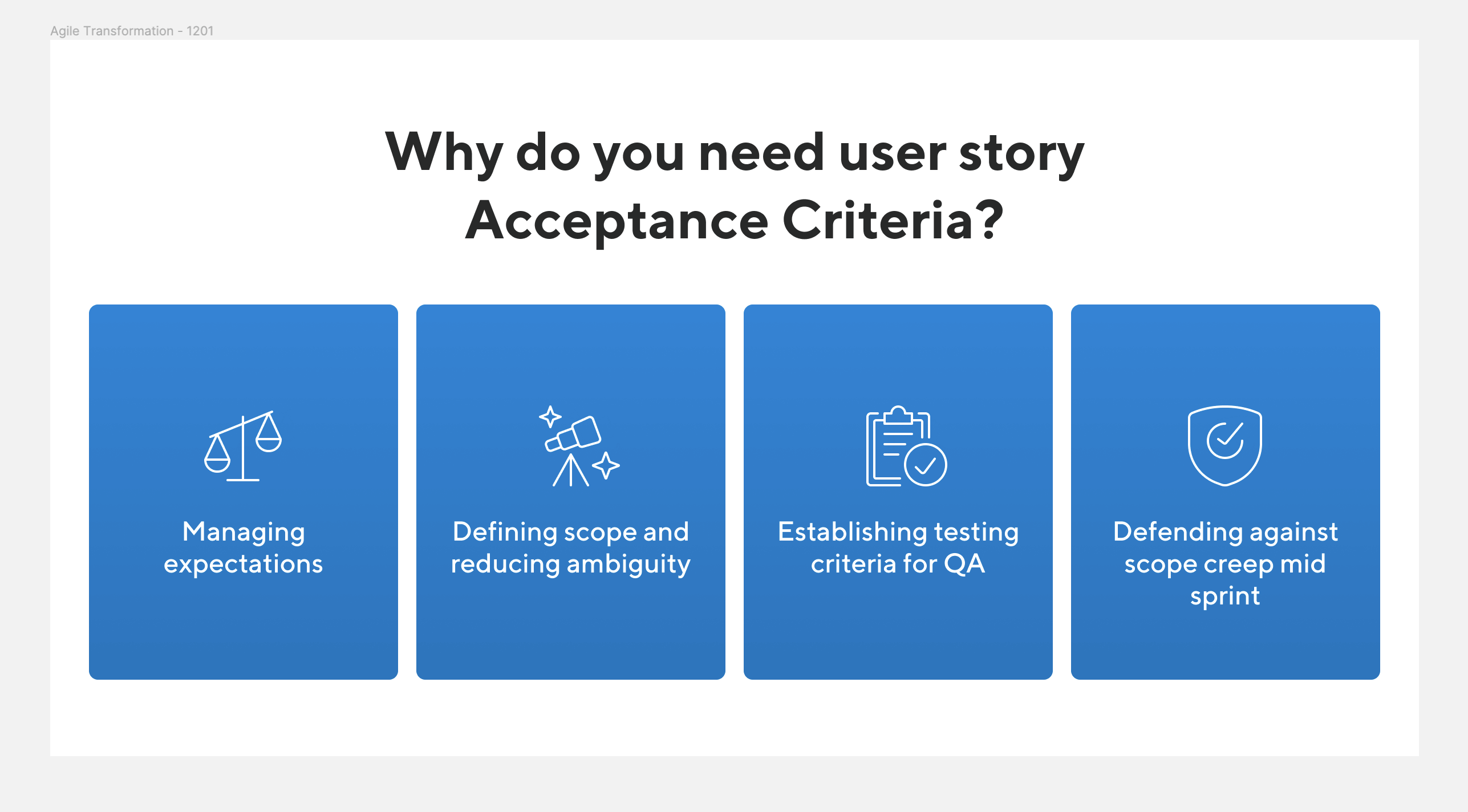
What is Acceptance Criteria? In Agile, acceptance criteria refer to a set of predefined requirements that must be met to mark a user story complete. Acceptance criteria are also sometimes called the “definition of done” because they determine the scope and requirements that must be executed by developers to consider the user story finished. As […]

Agile

What is Agile? Agile is an iterative product-development methodology in which teams work in brief, incremental “sprints,” and then regroup frequently to review the work and make changes. The agile methodology encourages frequent feedback and the ability to switch focus and priority quickly. This is in contrast to the more traditional, sequence-based, waterfall methodology, where […]

Dependency

In project management, a dependency describes a relationship between two initiatives that must be executed in a particular order. If Initiative A is dependent on Initiative B, then Initiative B must be completed first. This situation frequently comes up in cross-functional teams, where development progress in one area is often dependent on the completion of […]

DevOps

What is DevOps? Before DevOps, software was traditionally developed by an engineering team and then handed off to a separate IT group which would handle release management. As these were two distinct groups within the organization, these transitions took time and were not always as smooth as they could be. By placing both teams under […]

Rapid Application Development (RAD)

What is Rapid Application Development (RAD)? Rapid Application Development is an agile framework focused primarily on rapid prototyping of software products, frequently iterating based on feedback, and continuously releasing updated versions of those products to the market. The RAD model is comprised of four phases: Phase 1: Requirements planning Phase 2: User design Phase 3: […]

Agile Product Owner

What is an Agile Product Owner? In an agile organization, the product owner is responsible for prioritizing and overseeing the development team’s tasks and making sure the company derives as much value as possible from the team’s work. You can think of an agile product owner as the project management lead in the product’s development. […]

Business Agility

What is Business Agility? Business agility applies the principles of agile development to the entire organization. This allows companies to be more responsive to change, hasten the time to market, and reduce costs without sacrificing quality. Agile development utilizes short development cycles and minimal overhead to facilitate rapid iteration and frequent improvements for products. While […]

Agile Manifesto

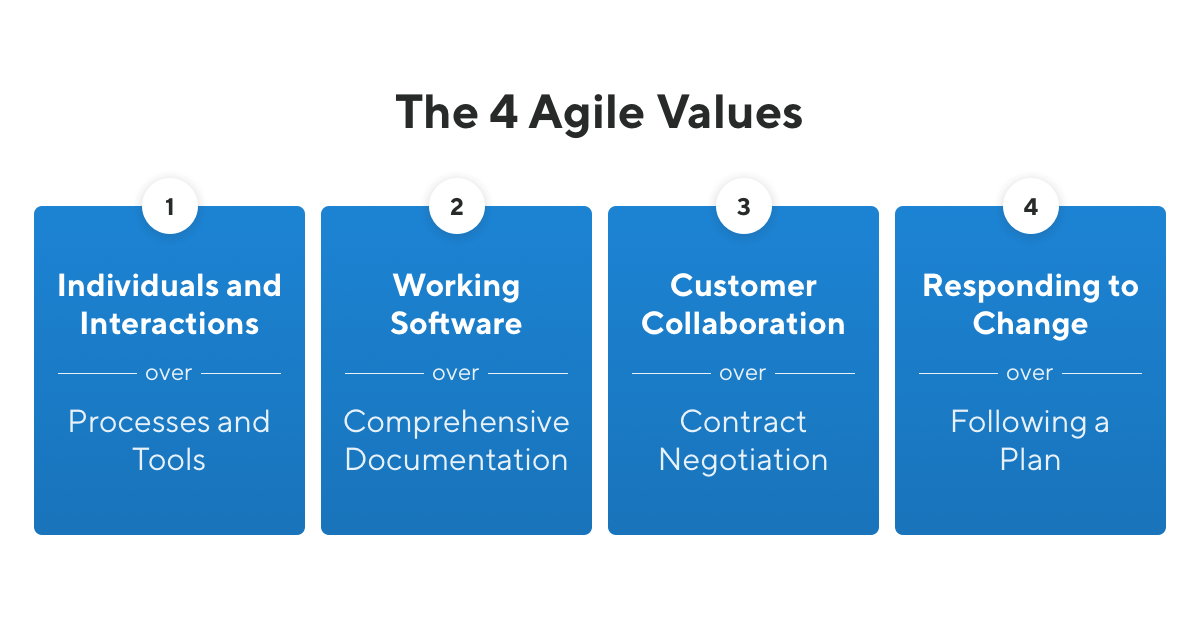
What is the Agile Manifesto? The Agile Manifesto is a brief document built on 4 values and 12 principles for agile software development. The Agile Manifesto was published in February 2001 and is the work of 17 software development practitioners who observed the increasing need for an alternative to documentation-driven and heavyweight software development processes. […]