Intuitive Design

What Is Intuitive Design? In product management, intuitive design refers to making products easy to use. With an intuitively designed product, customers will understand how to use it without much effort. They are also less likely to need a tutorial, onboarding, or other help. Here is a simple way to understand intuitive design: The product […]

Release Notes

What Is a Release Note? A release note refers to the technical documentation produced and distributed alongside the launch of a new software product or a product update (e.g., recent changes, feature enhancements, or bug fixes). It very briefly describes a new product or succinctly details specific changes included in a product update. The job […]

SWOT Analysis

What is a SWOT analysis? A SWOT analysis is a planning framework that a business can use to identify a strategic endeavor’s strengths, weaknesses, opportunities, and threats. The term SWOT is an acronym for these four factors. In a SWOT analysis, a project’s (or product’s) strengths and weaknesses are internal factors. Strengths might include the […]

Product Stack

What is a Product Stack? A product stack refers to the apps, technologies, and other resources product managers use to bring their products to market. The term is borrowed from the development community, which often describes its team’s toolkits as their development stack or tech stack. What Types of Tools Comprise a Product Stack? Product […]

Pendo

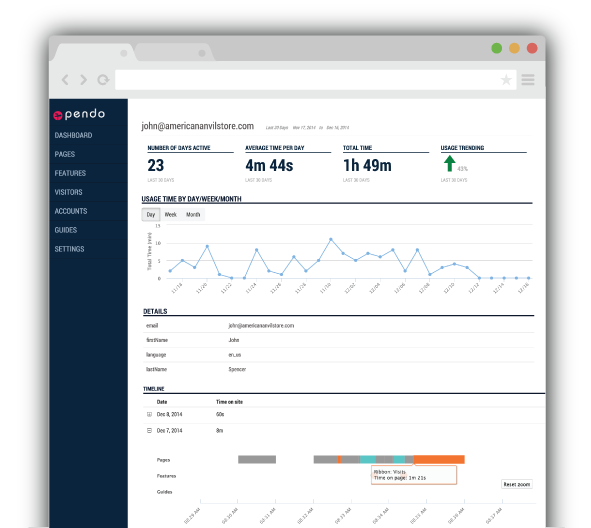
What Is Pendo? Pendo is a product-analytics app built to help software companies develop products that resonate with customers. The app allows software makers to embed in their products a wide range of tools that can lead both to a better product experience for users and new insights for the product team. As the company […]

Product Brief

What is a Product Brief? A product brief, or product spec, defines a product’s goals, attributes, and overall direction. It outlines requirements and key product information that a product team needs to build a new feature or product. A product brief is an effective tool for product development. It requires few resources to create one, […]

Affinity Diagram

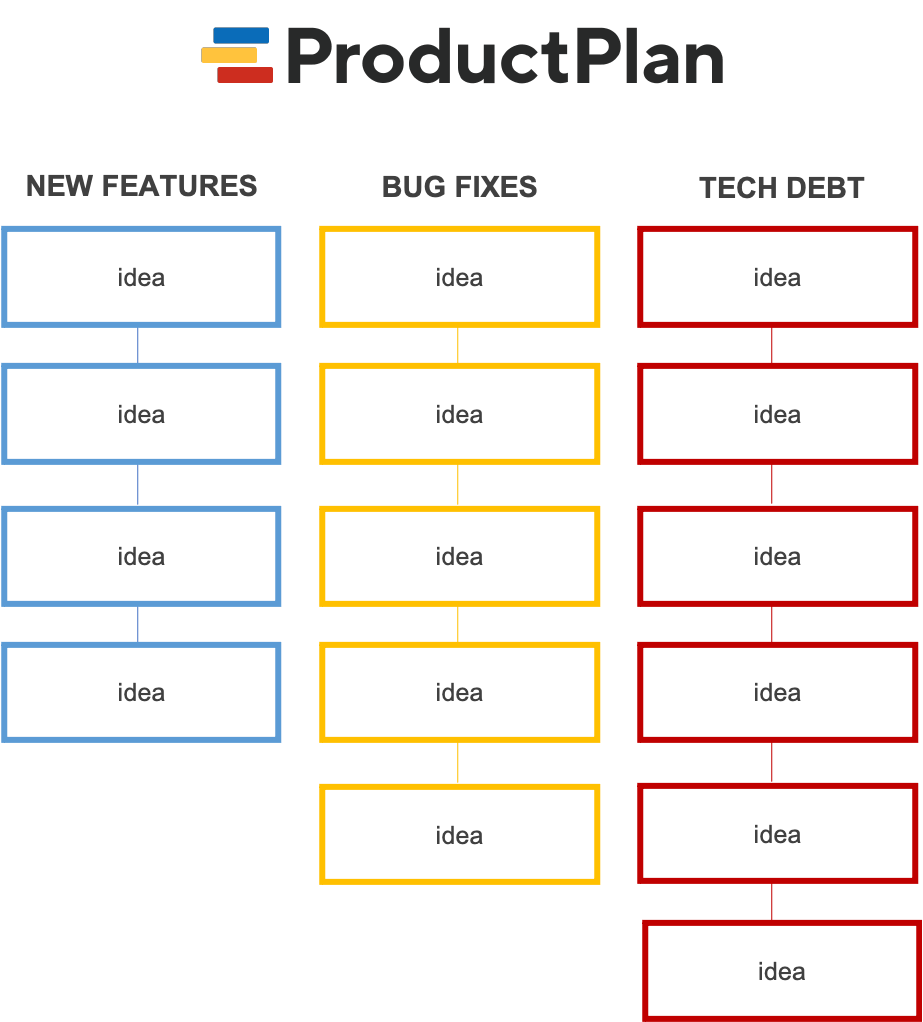
What Is an Affinity Diagram? An affinity diagram helps a team visualize and review large amounts of information by grouping items into categories. Instead of analyzing each idea on a long list without context, the team can spot trends and patterns. Seeing those patterns can help them make better decisions.    When Should You Use an […]

Kano Model

What is the Kano Model? The Kano Model (pronounced “Kah-no”) is an approach to prioritizing features on a product roadmap based on the degree to which they are likely to satisfy customers. Product teams can weigh a high-satisfaction feature against its costs to implement to determine whether or not adding it to the roadmap is […]

Story Mapping

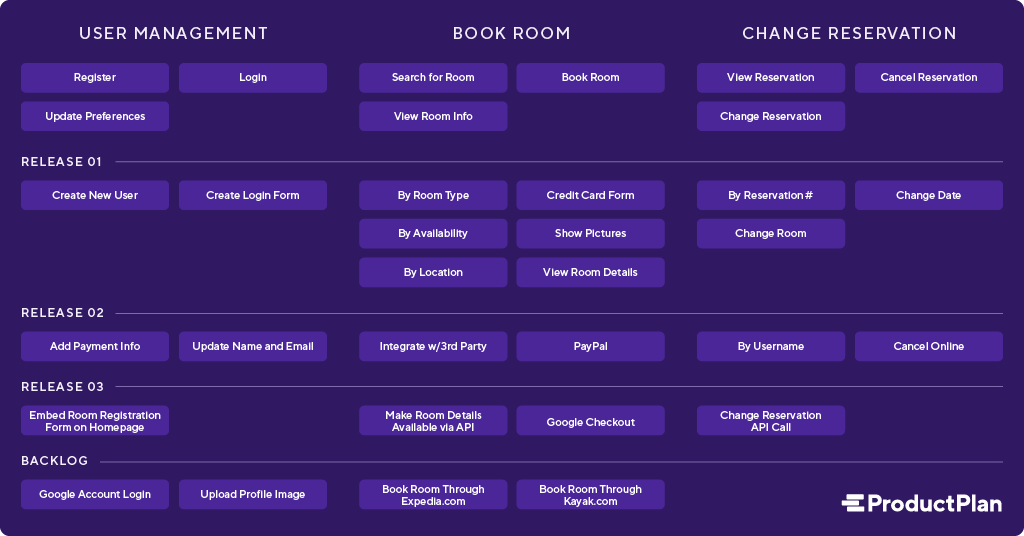
What is Story Mapping? Story mapping is a method for arranging user stories to create a more holistic view of how they fit into the overall user experience. Arranged on a horizontal axis, the fundamental steps of the customer journey (sometimes labeled as epics, sometimes not) are arranged in chronological order based on when a […]

5 Ws and H

What Does 5 Ws and H Mean? The term 5 Ws and H refers to the six basic questions to ask when gathering information or solving a problem. The questions are: 1. Who? 2. What? 3. Where? 4. When? 5. Why? 6. How? The goal of this technique is to gain a factual answer to […]