Disruptive Innovation
Disruptive innovation is a term coined by Clayton M. Christensen to describe any type of innovation that creates a new industry, market, or business model which eventually “disrupts” an existing one.

Disruptive innovation is a term coined by Clayton M. Christensen to describe any type of innovation that creates a new industry, market, or business model which eventually “disrupts” an existing one.

What is Product Requirements Management? Product requirements management is the ongoing process of overseeing the implementation of all requirements needed to deliver a product to the market. In this context, “requirements” refer to all of the capabilities and needs for the product that the organization’s stakeholders agree should be included in its development. Requirements might […]
What Is a Buyer Persona? A buyer persona represents the combined attributes of a broad cohort of individuals who have a say in the purchasing process. This can include several influencers and decision-makers throughout the company who might not even be using the product. That is why for product teams developing B2B products, it makes […]
What is Program Management? Program Management is an organizational function that oversees a group of individual projects linked together through a shared organizational goal or common area of impact. This programmatic grouping of multiple projects provides synergy, consistent management, and greater visibility to stakeholders than individually managed projects. What are the Key Functions of Program […]
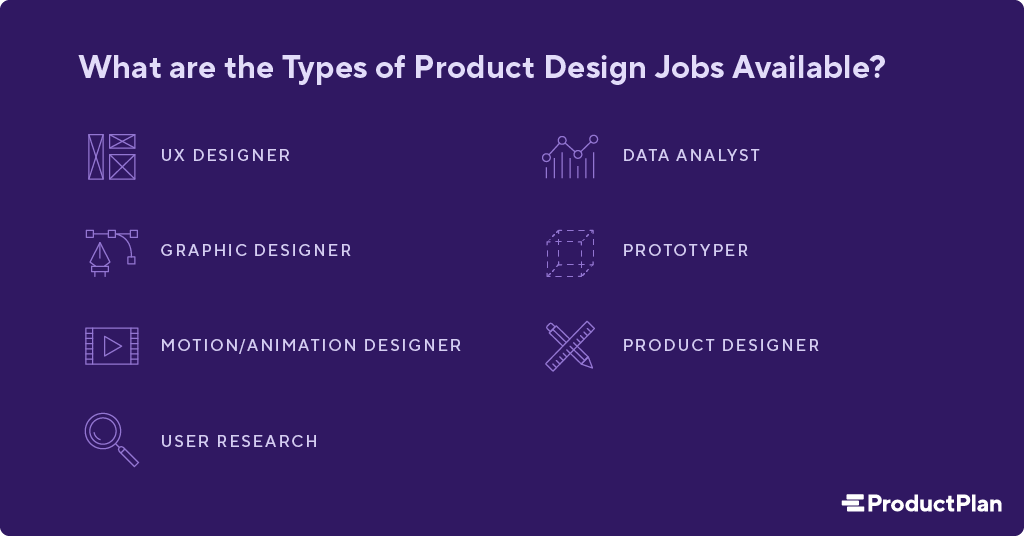
What is Product Design? The definition of product design describes the process of imagining, creating, and iterating products that solve users’ problems or address specific needs in a given market. The key to successful product design is understanding the end-user customer, the person for whom the product is being created. Product designers attempt to solve […]

What is a Greenfield Project? A greenfield project can describe any project that a team starts from scratch. The term comes from real estate, where it conveys the image of a literal green-field site for development, undisturbed by previous construction. Product managers use greenfield to describe developing a new product, as opposed to enhancing or […]

What is Usability Testing? Usability testing is a technique to evaluate how easy or difficult users find a company’s product. It can also be used to gauge the intuitiveness or user-friendliness of other aspects of the customer experience, such as navigating a website or completing a trial download. This type of testing is most commonly […]
What Is Distinctive Competence? Distinctive competence refers to a superior characteristic, strength, or quality that distinguishes a company from its competitors. This distinctive quality can be just about anything—innovation, a skill, design, technology, name recognition, marketing, workforce, customer satisfaction, or even being first to market. Via distinctive competency, a company can provide a premier value […]

What is Technical Debt? Technical debt (also known as tech debt or code debt) describes what results when development teams take actions to expedite the delivery of a piece of functionality or a project which later needs to be refactored. In other words, it’s the result of prioritizing speedy delivery over perfect code. If you’ve […]
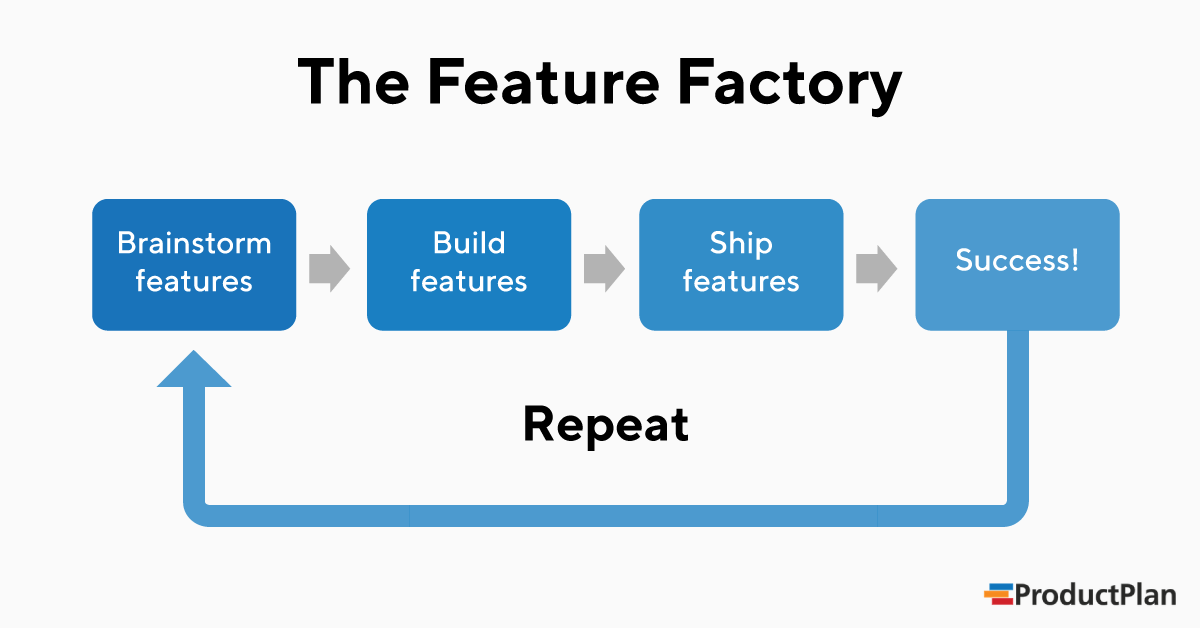
What is a Feature Factory? In product management lingo, feature factory is typically a derogatory term. It describes a business focused on building features rather than solving problems for customers. Here are a few characteristics of a feature factory: The product team measures its success by how much and often it ships. The company believes […]
