
Features

What are Features? Features are a product’s traits or attributes that deliver value to end-users and differentiate a product in the market. For example, the battery life of an electronic device can be considered a feature. When it comes to software, product features can include any of the application’s functionalities, capabilities, and even its visual […]

Market Requirements Document (MRD)

What Is a Market Requirements Document (MRD)? A market requirements document, or an MRD, is a strategic document written by a product manager or product marketing manager to help define the market’s requirements or demand for a specific product. An MRD typically contains information on the product’s vision, the competitive landscape, business analysis, and revenue […]

Hook Model

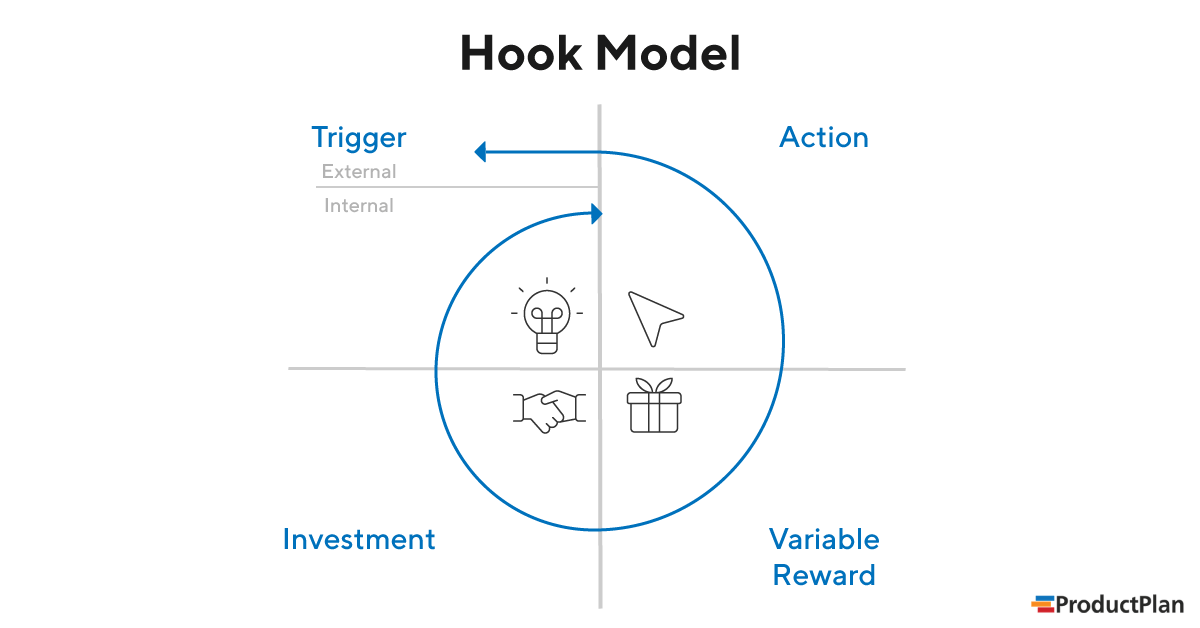
What is the Hook Model? The Hook Model is a four-phase process that businesses can use to create products or services used habitually by customers. The goal is to result in voluntary, high-frequency engagement. At its core, the Hook Model is about creating a customer habit. It also seeks to connect a customer’s problem to […]

Channels of Distribution

What Are Channels of Distribution? A channel of distribution—also referred to as a distribution channel—is the method a company uses to get a product or service into the hands of a consumer as quickly and efficiently as possible. Distribution channels can include wholesalers, brick-and-mortar retailers, and online marketplaces, but they always include manufacturers and consumers.  […]

PERT Chart

What Is a PERT Chart? A PERT chart is a visual project management tool used to map out and track the tasks and timelines. The name PERT is an acronym for Project (or Program) Evaluation and Review Technique. How Is a PERT Chart Different from a Gantt Chart? PERT charts are similar to Gantt charts […]

Bill of Materials (BOM)

What is a Bill of Materials? A bill of materials (BOM) is a complete list of the materials needed to build a product. A BOM typically lists all the parts needed in their necessary quantities.

Cross-Functional Team

Definition: A cross-functional team refers to a group which contains expertise or representation from various “functional” departments. For example, an agile cross-functional team may consist of a product manager, product owner, scrum master, engineers, QA, and design.

Product Leadership

What Is Product Leadership? Product leadership can describe several management-level roles with responsibility for the success of the company’s products. The purpose of a product leader can include building and overseeing the right product team, owning the product’s strategic direction, and ensuring the team has the tools and systems it needs to build successful products. […]

Digital Product Manager

What Is a Digital Product Manager? A product manager is responsible for driving the development of products to market success. A digital product manager holds this responsibility for digital products. These include software tools, apps, or any product developed and used electronically. What Are Digital Product Manager Skills? To succeed as a digital product manager, […]

IoT (Internet of Things) Product Manager

What Product Does an IoT Product Manager Oversee? Consider how many different products now connect to the internet. The Institute of Electrical and Electronics Engineers (IEEE) predicted in recent years that there would be more than 50 billion IoT devices by the end of 2020. As a result, there is a demand for IoT managers. […]




