Continuous Improvement

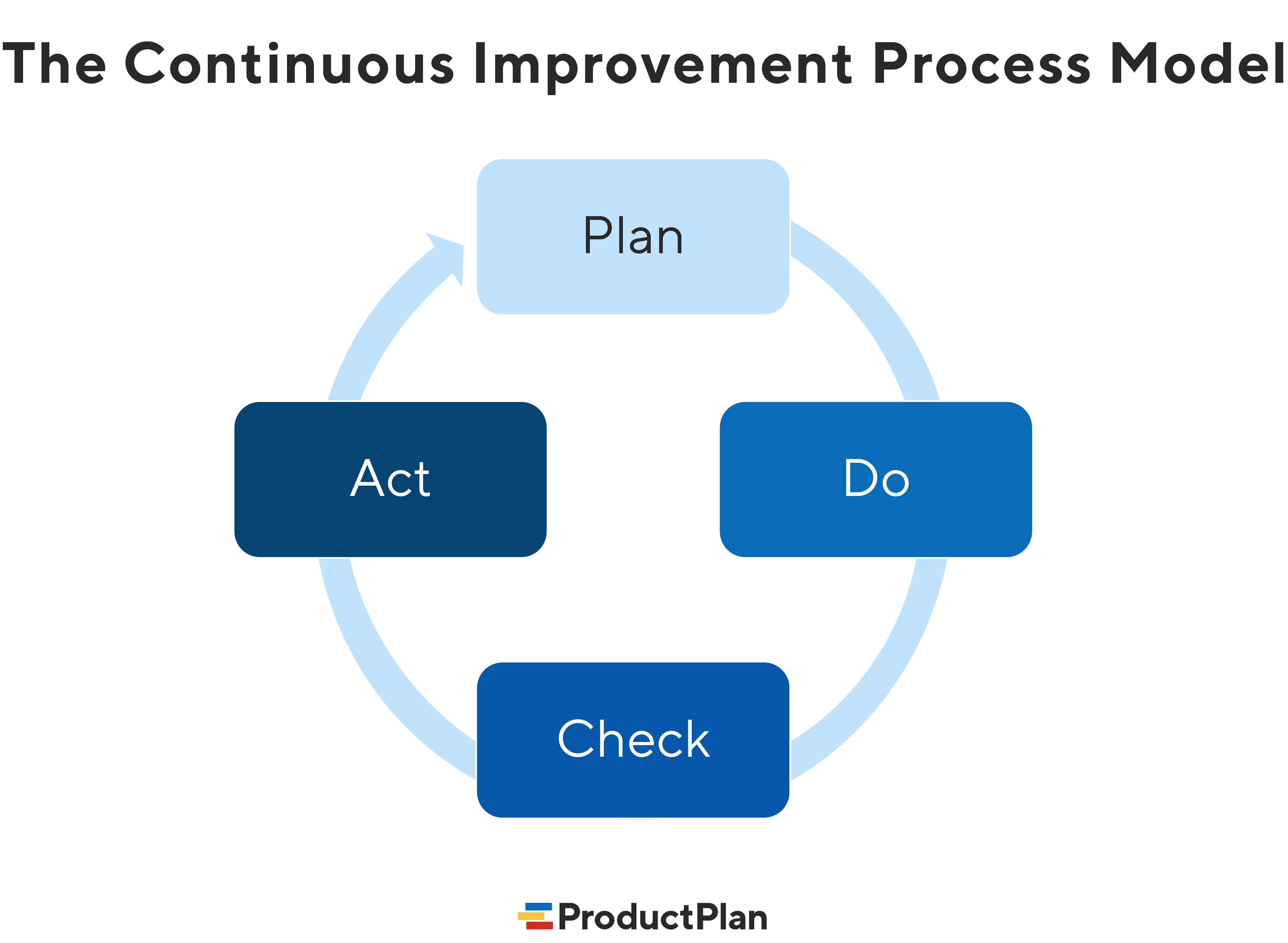
What Is Continuous Improvement? Continuous improvement is a company culture that encourages all employees to look for ways to enhance the business’s operations. This includes suggesting ideas to improve efficiencies, evaluating current processes, and finding opportunities to cut unproductive work. The modern business concept of continuous improvement dates back to Toyota’s innovative manufacturing processes. The […]

Feature Flag

What is a Feature Flag? A feature flag refers to a team’s ability to turn a feature or functionality “on” or “off” at their discretion. They are used for many reasons, the main one being they allow engineering teams to distinguish between code deployment and a feature rollout. They also enable teams to toggle “on” […]

User Persona

A user persona is a composite biography (or series of biographies) drafted based on market research and experience to describe the relevant characteristics, needs, and goals of the people who will be using a product.

Product-Centric

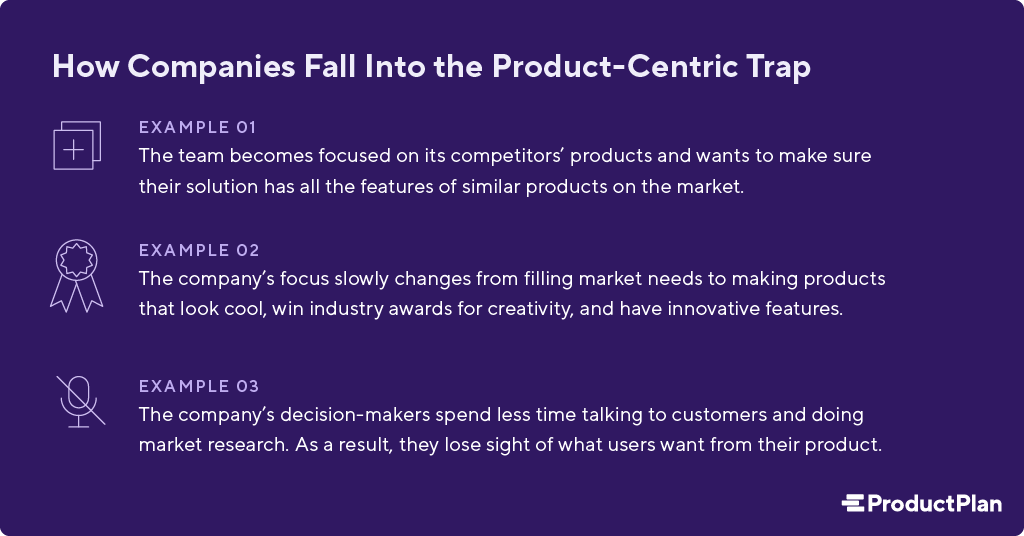
What is Product-Centric? Product-centric describes a company focused on the details of its products above other considerations, including its customers’ needs. At the opposite end of the spectrum are customer-centric companies. These businesses focus on understanding their user and buyer personas, learning about their challenges, and building solutions to address those challenges. For a customer-centric […]

Feature Creep

What is Feature Creep? Feature creep happens when a product team continues adding features to the point that they undermine the product’s value. Users complain that the product is becoming too complicated or confusing or can’t find the functionality they need. The defining characteristic of feature creep is that the newer features go beyond the […]

Product Architecture

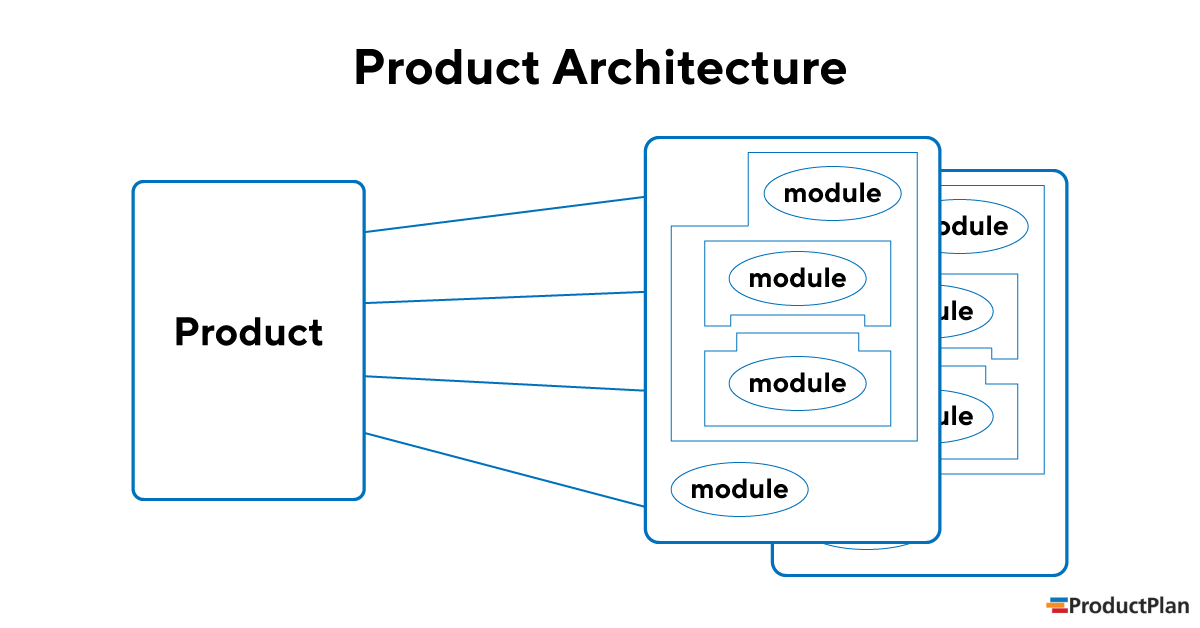
What is Product Architecture? Product architecture is the organization (or chunking) of a product’s functional elements. It’s the ways these elements, or chunks, interact. It plays a significant role in how to design, make, sell, use, and repair a new product offering. Linking to system-level design and the principles of system engineering. Put simply, it’s […]

Idea Management

What is Idea Management? Idea management is a structured approach to generating and evaluating ideas that could help improve an organization’s bottom line. In a product management context, idea management refers to a systematic framework for collecting, analyzing, and prioritizing ideas to improve existing products or create new ones. Why is Idea Management Important? Every […]

Product Ops

What is Product Ops? Product ops, or product operations, is a role designed to help a company’s cross-functional product team operate. Product ops specialists own many of the product team’s behind-the-scenes initiatives. Such as: Facilitate user interviews and other market research Oversee quality assurance checks on new features Analyze data to help product management make […]

Minimum Viable Feature (MVF)

What Is a Minimum Viable Feature? A Minimum Viable Feature (or MVF) is a small-scale feature that can quickly be built and rolled out—using minimal resources—to a target population to test the feature’s usefulness and adoption. An MVF should provide clear value to users. User feedback, in turn, should provide valuable guidance on future feature […]

Change Management

What is Change Management? The definition of change management is a systematic approach to supporting employees and teams as an organization transitions to new processes, tools, or initiatives. Making even a small change in an organization can lead to anxiety, fear, and frustration among the affected staff if not rolled out properly. A well-thought-out change […]