Customer Empathy

Customer empathy is understanding the underlying needs and feelings of customers. It goes beyond recognizing and addressing their tactical requirements and puts things into further context by viewing things from their perspective. Product managers utilize customer empathy to create products that not only help users accomplish a task but also fit into their overall workflow […]

Sunk Cost

What Is a Sunk Cost? A sunk cost, sometimes called a retrospective cost, refers to an investment already incurred that can’t be recovered. Examples of sunk costs in business include marketing, research, new software installation or equipment, salaries and benefits, or facilities expenses. By comparison, opportunity costs are lost returns from resources that were invested […]

Release Management

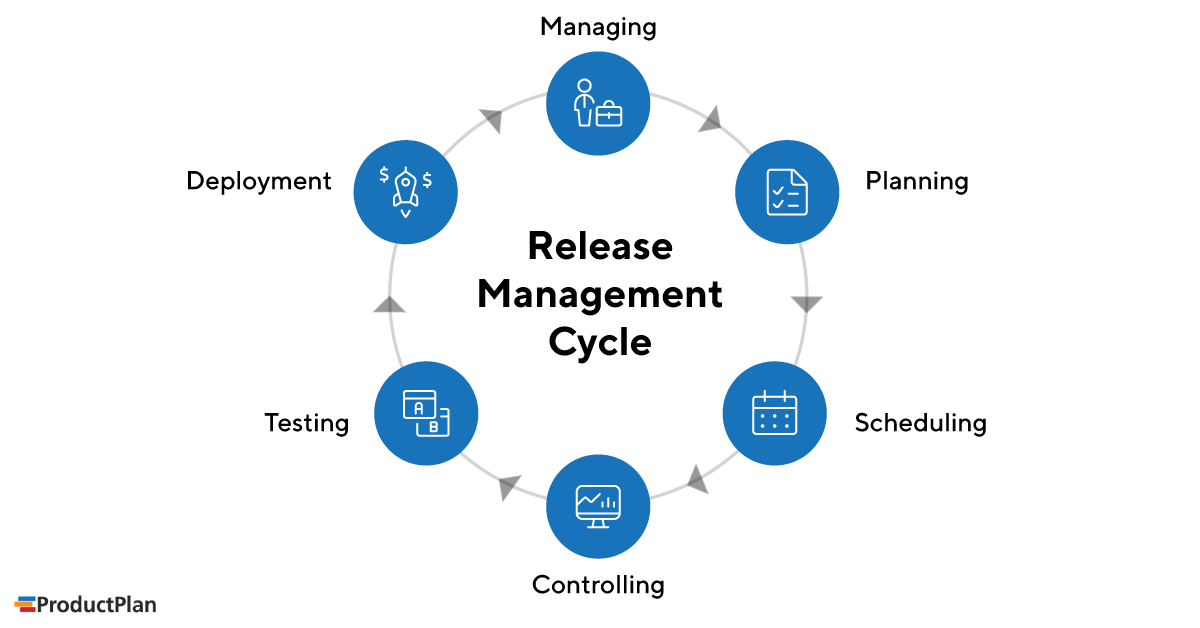
What Is Release Management? Release management is one of those modern business terms that has several meanings. For IT departments, the term describes overseeing a software release within the company, including planning, testing, and deploying the application. Release management describes both the tactical and strategic steps involved in preparing a product for launch for product […]

Waterfall

What Is the Waterfall Method? Waterfall is a long-term product development method characterized by linear sequential phases for planning, building, and delivering new features or products. Requirements are meticulously defined upfront and implemented sequentially in the following phases: conception, initiation, analysis, design, construction, testing, production/implementation, and maintenance. Each phase must be completed before the next […]

Product Life Cycle

What is the Product Life Cycle? The product life cycle model breaks down the various stages of a product’s evolution, from its debut to retirement. Each phase comes with its characteristics, demands, and challenges. All products travel through various stages during their existence, and the product life cycle breaks these down into specific phases with […]

Beta Test

What is Beta Testing? Beta testing is an opportunity for real users to use a product in a production environment to uncover any bugs or issues before a general release. Beta testing is the final round of testing before releasing a product to a wide audience. The objective is to uncover as many bugs or […]

Change Enablement

What Is Change Enablement? Change enablement, called change management, refers to providing people with the necessary information and support–alongside tools, processes, and strategies– to help them adapt and transition to change within an organization. Whether it be crisis-driven change to avert disaster, transformation change, or organization-wide change to enable growth, the need for transition will […]

Digital Transformation

Definition: Digital transformation is the act of revolutionizing business processes to take advantage of digital technologies, intending to make them more efficient, accessible, and scalable. What is Digital Transformation? Digital transformation is a universal phenomenon where businesses use digital technologies to change, improve, enhance, and replace existing business processes. Some transformations have been ongoing for […]

Cannibalization

Definition: In product management, cannibalization is when two different products from the same company compete with one other. Product managers are often responsible for an entire line or suite of products so that cannibalization can be kept to a minimum, or avoided altogether.

Customer Journey Map

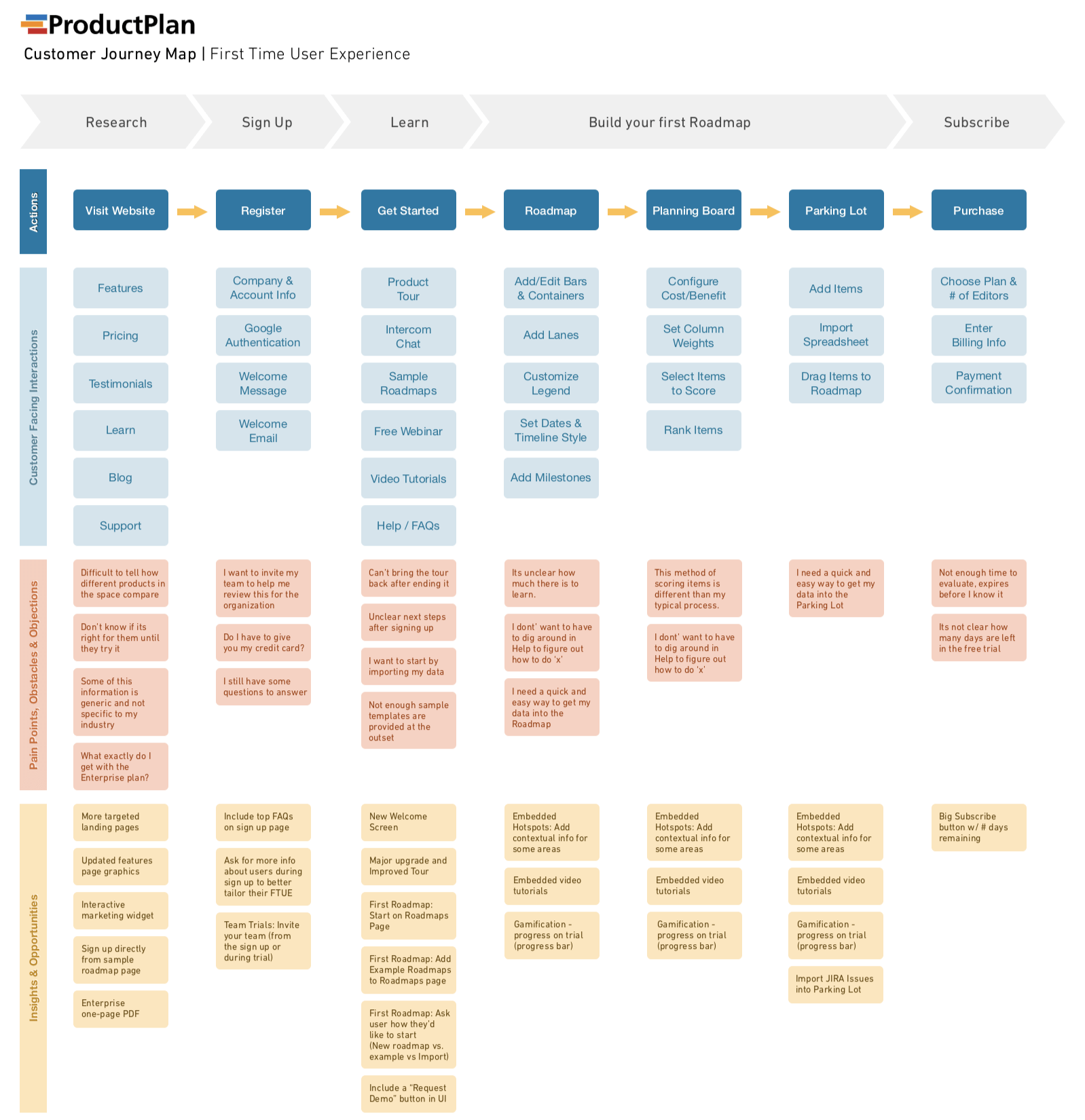
What Is a Customer Journey Map? A customer journey map is a visual depiction of all steps a customer or prospect takes when interacting with your company with a specific goal in mind. This could include, for example, the path a visitor to your website takes to reach your trial-signup page. You might also develop […]