Iterative Testing

What Is Iterative Testing? Iterative testing refers to making small, gradual changes or updates to a product based on insights (e.g., test results and user feedback) from previous changes and testing them against predefined baseline metrics. It is commonly practiced in a UI/UX context but can be used in the context of product management. Why […]
Release Plan

What is a Release Plan? Definition: A release plan is a tactical document designed to capture and track the features planned for an upcoming release. A release plan usually spans only a few months and is typically an internal working document for product and development teams. Release plans can be created using a number of […]

SMART Goal Setting

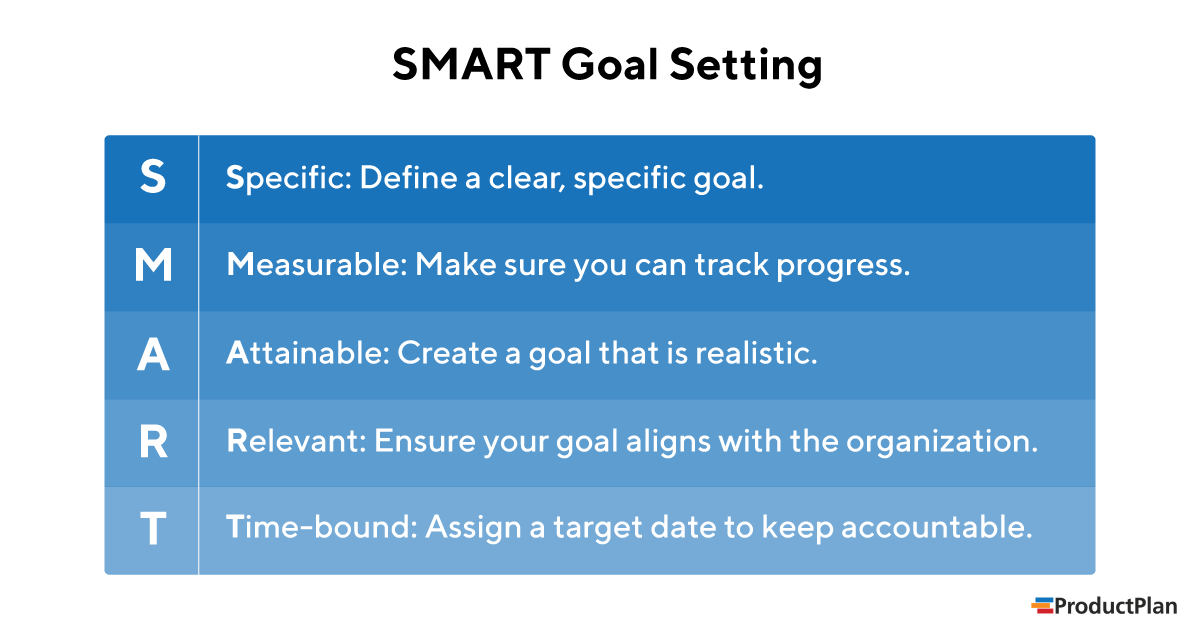
What is SMART goal setting? The SMART framework provides the framework for setting clear, attainable goals in project management. The acronym stands for Specific, Measurable, Attainable, Relevant, and Time-bound. A SMART goal incorporates all of these elements to bring greater clarity, focus, and motivation, which help increase the odds of successfully achieving the desired results. […]

Change Management Principles

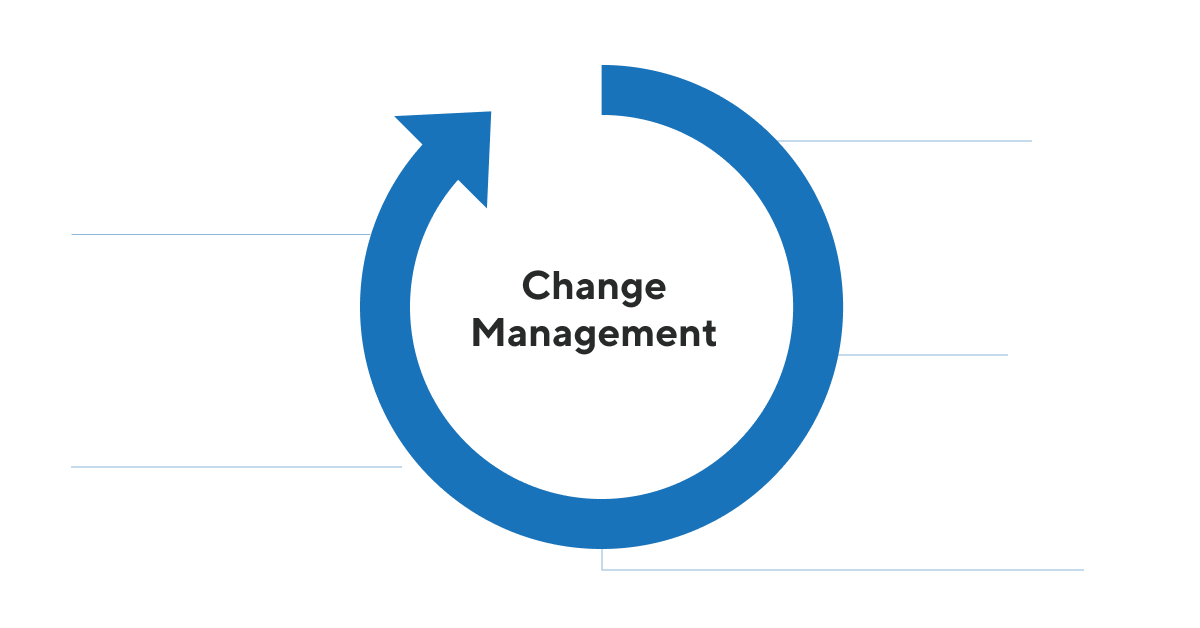
What Are Change Management Principles? Change management principles are the guiding practices business leaders should follow to effectively manage change, transitions, and disruptions within an organization. Changes may be internal (e.g., migrating to a new software platform) or external (e.g., new market opportunities, industry trends, or threats). Effectively managing these transitions by following the prescribed […]

DACI Decision-Making Framework

What is the DACI Decision-Making Framework? The DACI decision-making framework is a model designed to improve a team’s effectiveness and velocity on projects, by assigning team members specific roles and responsibilities when it comes to group decisions. The names for these roles and responsibilities form the acronym DACI: Driver (the person who drives the decision), […]

Feature Audit

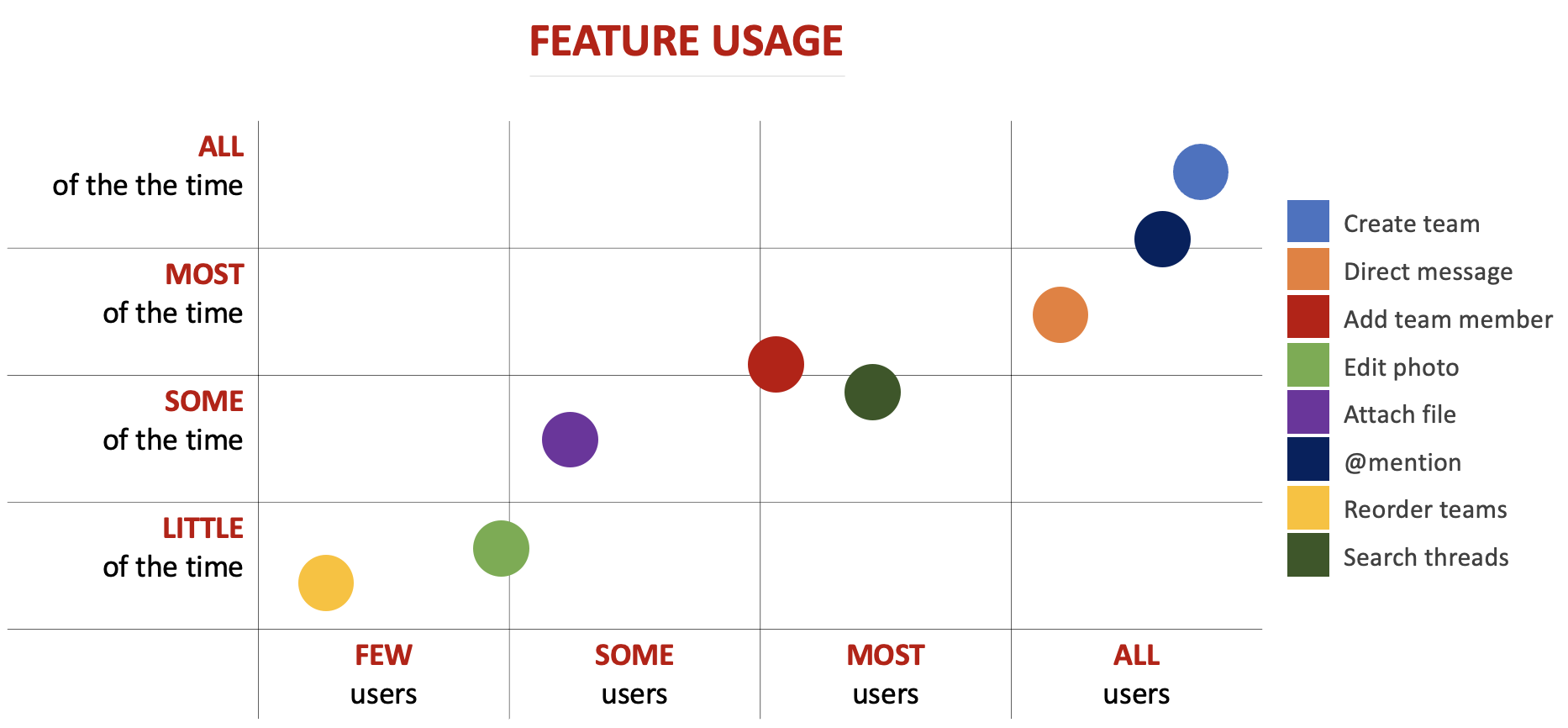
What Is a Feature Audit? In a feature audit, a product team reviews the usage levels of its product features and plots them on a graph. The graph charts two data points:  the percentage of customers who use each feature (the x-axis) how often users access those features (the y-axis) For companies that offer software […]

Refactoring

What is Refactoring? Definition: Refactoring is the process by which development teams clean up a codebase or change the internal structure of a piece of software to improve it. Refactoring is intended to not make any noticeable impact on the user’s end but can make it easier for development teams to continue working on the code […]

Mockup

What Is a Mockup? The term mockup refers to a realistic visual representation of a product. In manufacturing, a mockup can be a scale or full-size physical model of the product. In digital product management, a mockup will be a detailed depiction of the app. However, it’s important to note that mockups do not include […]

Product Requirements Document

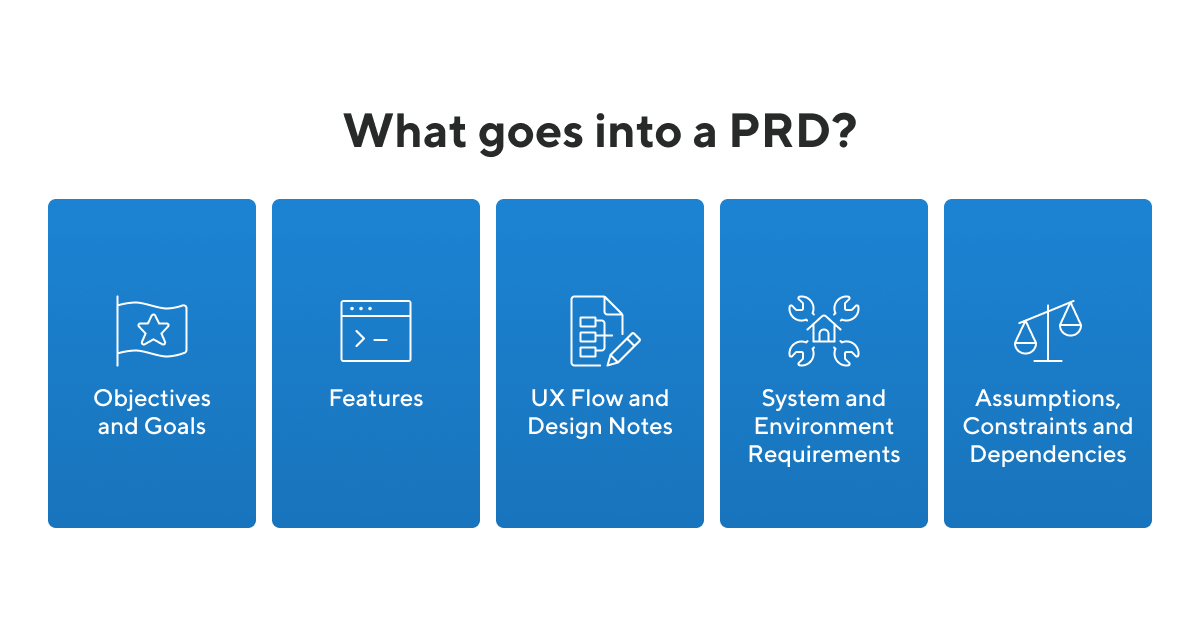
What is a Product Requirements Document? A product requirements document (PRD) is an artifact used in the product development process to communicate what capabilities must be included in a product release to the development and testing teams. This document is typically used more in waterfall environments where product definition, design, and delivery happen sequentially, but […]

Product Launch Management

What is Product Launch Management? Product launch management is the process of coordinating all strategic efforts needed for a successful market release. Product launch strategies differ by company and industry, but some of the common components include: Building the marketing, advertising, and PR campaigns to support the launch. Creating sales collateral for the product. Training […]