RICE Scoring Model

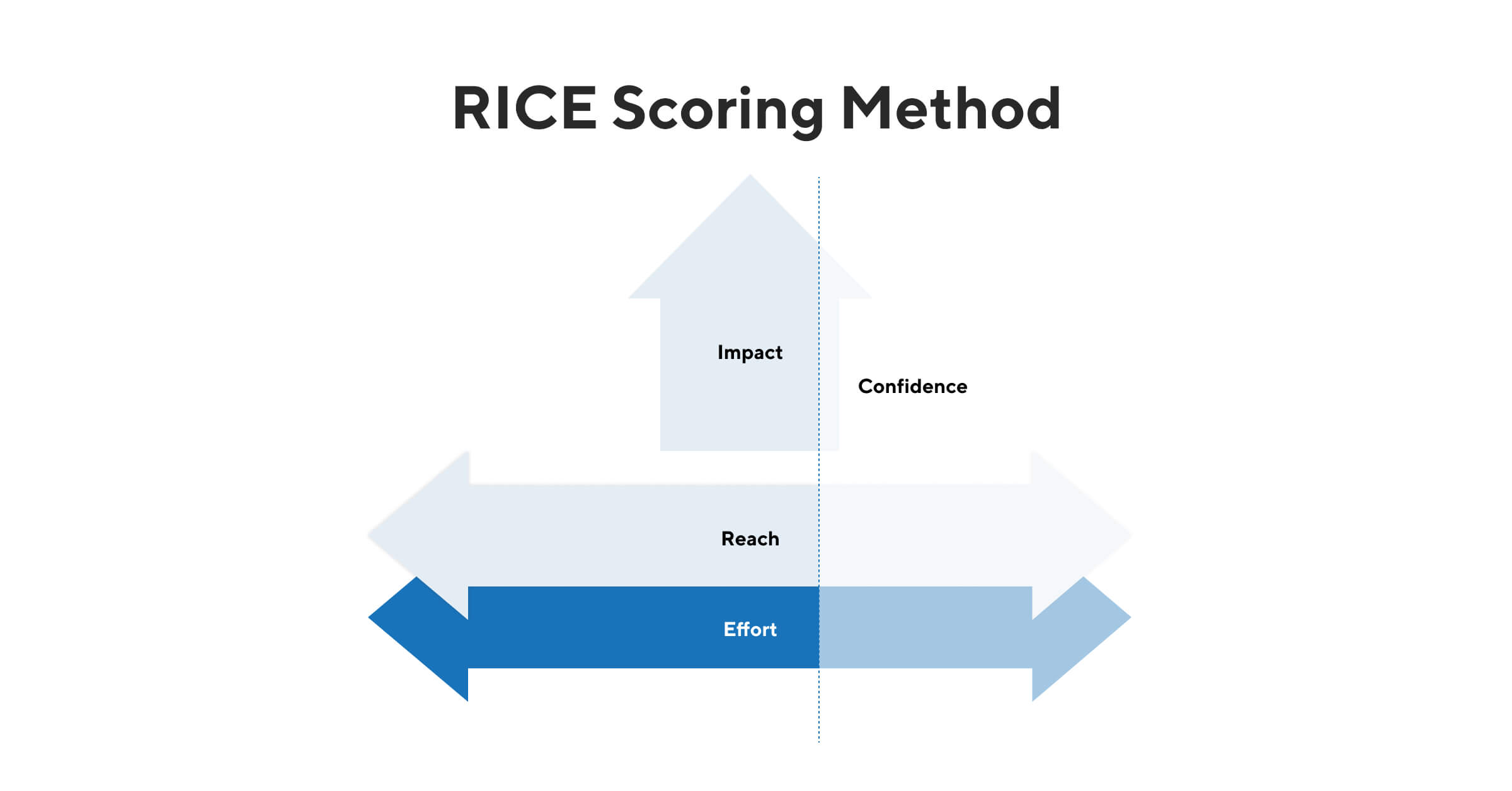
What is the RICE Scoring Model for Prioritization? The RICE scoring model is a prioritization framework designed to help product managers determine which products, features, and other initiatives to put on their roadmaps by scoring these items according to four factors. These factors, which form the acronym RICE, are reach, impact, confidence, and effort. Using […]
Value vs. Complexity

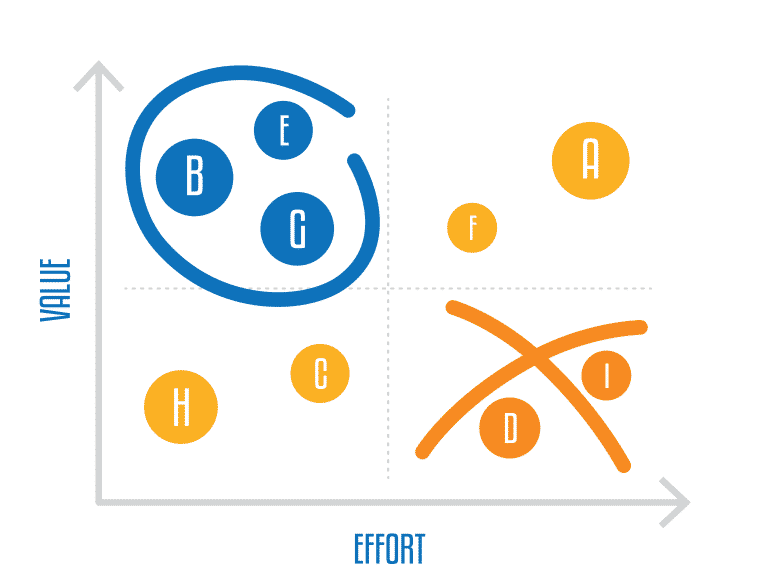
What is the Value vs. Complexity Model? Value vs. complexity is a prioritization framework that allows a product team to evaluate each initiative according to how much value the initiative will bring, and how difficult or complex it will be to implement. Initiatives are then plotted on a quadrant and prioritized accordingly. Value vs. complexity […]

Opportunity Scoring

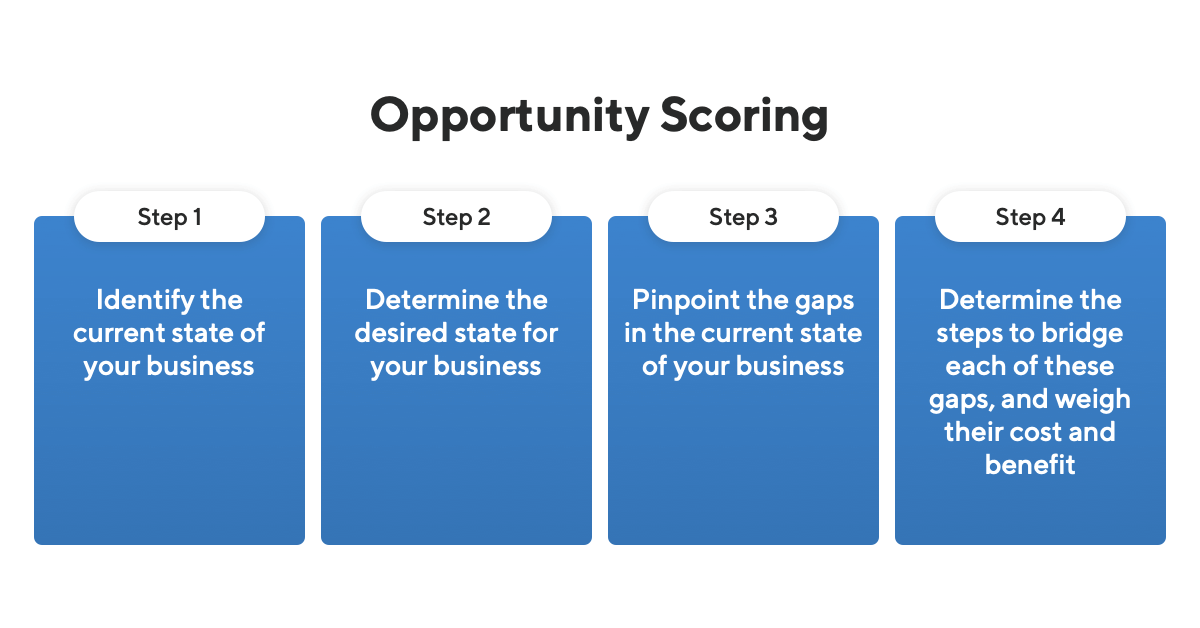
Opportunity scoring is one of several popular strategies for prioritizing features on a product roadmap. Product teams use this strategy when they want to learn which features customers view as important but are currently unhappy with. Improving these features can represent opportunities for the product to win increased customer satisfaction and loyalty and also to […]

Jobs-To-Be-Done Framework

What is the Jobs to be Done Framework? The jobs-to-be-done framework is an approach to developing products based on understanding both the customer’s specific goal, or “job,” and the thought processes that would lead that customer to “hire” a product to complete the job. When using this framework, a product team attempts to discover what […]

Affinity Grouping

What is Affinity Grouping? Affinity grouping can be used as a collaborative prioritization activity. It works by having your group of participants brainstorm ideas and opportunities on Post-It Notes. The team then works to put the sticky notes into groups of similar items. Once the groups are created, the team votes on the groups to […]

Cost of Delay

What is Cost of Delay? Cost of delay (CoD) is a prioritization framework that helps a business quantify the economic value of completing a project sooner as opposed to later. Product teams use this approach to calculate and compare the ongoing monetary costs that would result from delaying the completion of each initiative on the […]

Engineering Backlog

What is an Engineering Backlog? A backlog is any list of unfinished, actionable tasks to be completed to achieve a strategic goal. The product owner maintains an engineering backlog. This backlog is a tool to track and prioritize the development team’s tasks in upcoming sprints. This is common in agile organizations. However, it’s important to […]

Product Owner

What is a Product Owner? How exactly do we define the role of the product owner? It’s one of the most hotly debated roles in product development. There’s even a debate as to whether the role belongs in product management at all. Since its inception as part of the Scrum framework for software development, the […]

Certified Product Manager

What is a Certified Product Manager? A certified product manager is a PM who has completed an education program from a product industry organization. But the term does not have a single, recognized definition. Many product management authorities offer certificate programs. These programs in their content and difficulty levels. What Are the Benefits of Becoming […]

Product Marketing Manager

What is a Product Marketing Manager? A product marketing manager’s (PMM) primary responsibility is to communicate the product’s value to the market. A PMM’s responsibilities could include training the sales force on how to sell the product, creating marketing materials that communicate product features, and developing the marketing tools and campaigns to attract new prospects […]