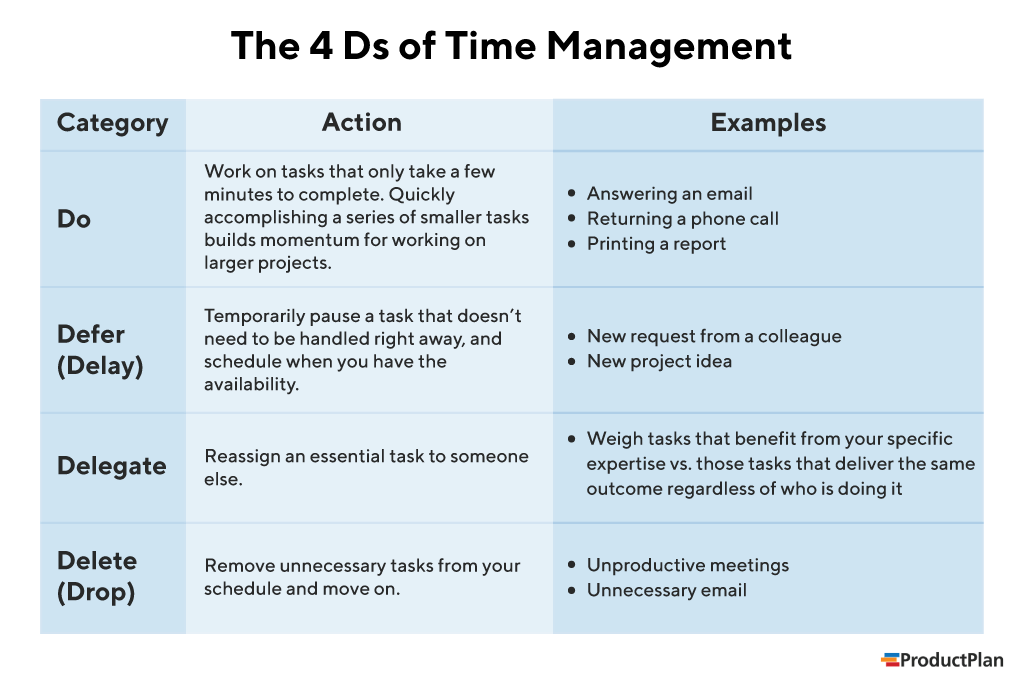
The 4 Ds of Time Management

What are the 4 Ds of Time Management? The 4 Ds of time management, sometimes referred to as the 4 Ds of productivity, is a popular strategy for discerning whether or not a task or project is worth your time. It involves making a quick decision about what to act on now either by doing […]
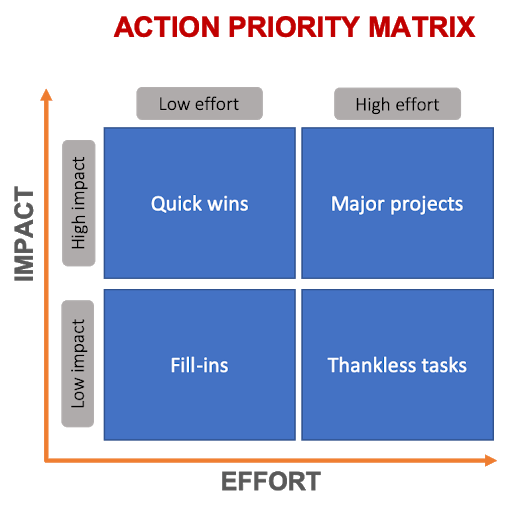
Action Priority Matrix

What is an Action Priority Matrix? An action priority matrix is a diagram that helps people determine which tasks to focus on, and in which order. You create this matrix using two components. First, draw a graph that measures effort along the x-axis and impact along the y-axis. Next, add four boxes to the graph, […]

Planning Poker

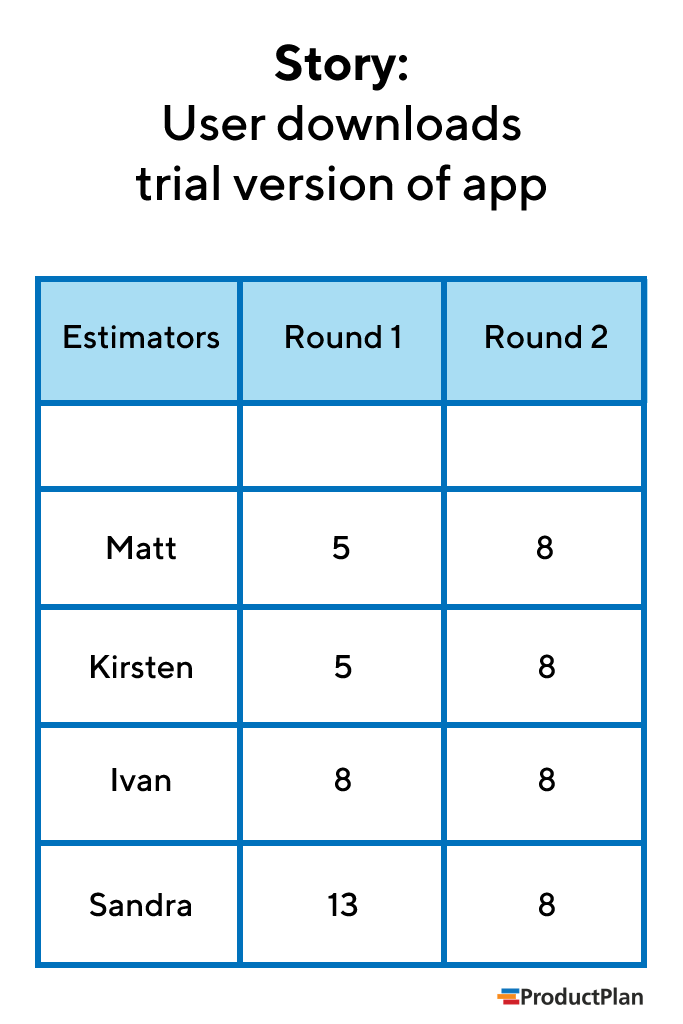
What is Planning Poker? Planning poker (also called Scrum poker) helps agile teams estimate the time and effort needed to complete each initiative on their product backlog. The name from this gamified technique is planning poker because participants use physical cards. These cards, which look like playing cards, estimate the number of story points for […]

Eisenhower Matrix

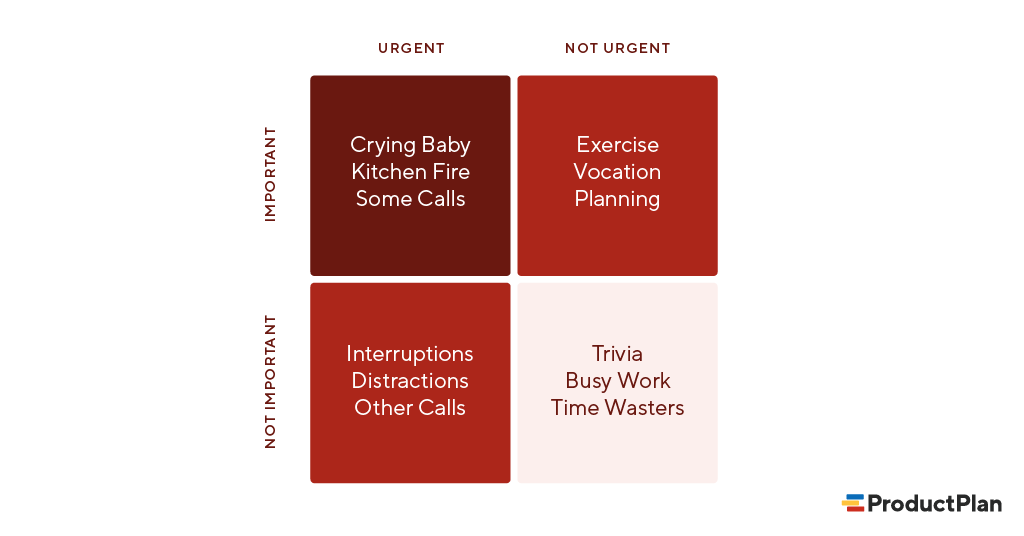
What is the Eisenhower Matrix? The Eisenhower Matrix is a productivity, prioritization, and time-management framework designed to help you prioritize a list of tasks or agenda items by first categorizing those items according to their urgency and importance. Also called an Eisenhower Decision Matrix, Eisenhower Box, or Urgent-Important Matrix, this approach consists of drawing a […]

Acceptance Test

What is an Acceptance Test? In software development, an acceptance test refers to the process of testing a new system, feature, or functionality against predefined acceptance criteria. In other words, an acceptance test evaluates whether or not the product has met predefined requirements. Learn more about acceptance criteria in the following video. See Also: Acceptance Criteria

Feature Driven Development (FDD)

What is Feature Driven Development? (FDD) Feature Driven Development (FDD) is an agile framework that, as its name suggests, organizes software development around making progress on features. Features in the FDD context, though, are not necessarily product features in the commonly understood sense. They are, rather, more akin to user stories in Scrum. In other […]

Scrumban

What Is Scrumban? Scrumban is a project management framework that combines important features of two popular agile methodologies: Scrum and Kanban. The Scrumban framework merges the structure and predictable routines of Scrum with Kanban’s flexibility to make teams more agile, efficient, and productive. For companies that implement Scrumban, the approach can help their teams focus […]

PDCA Cycle

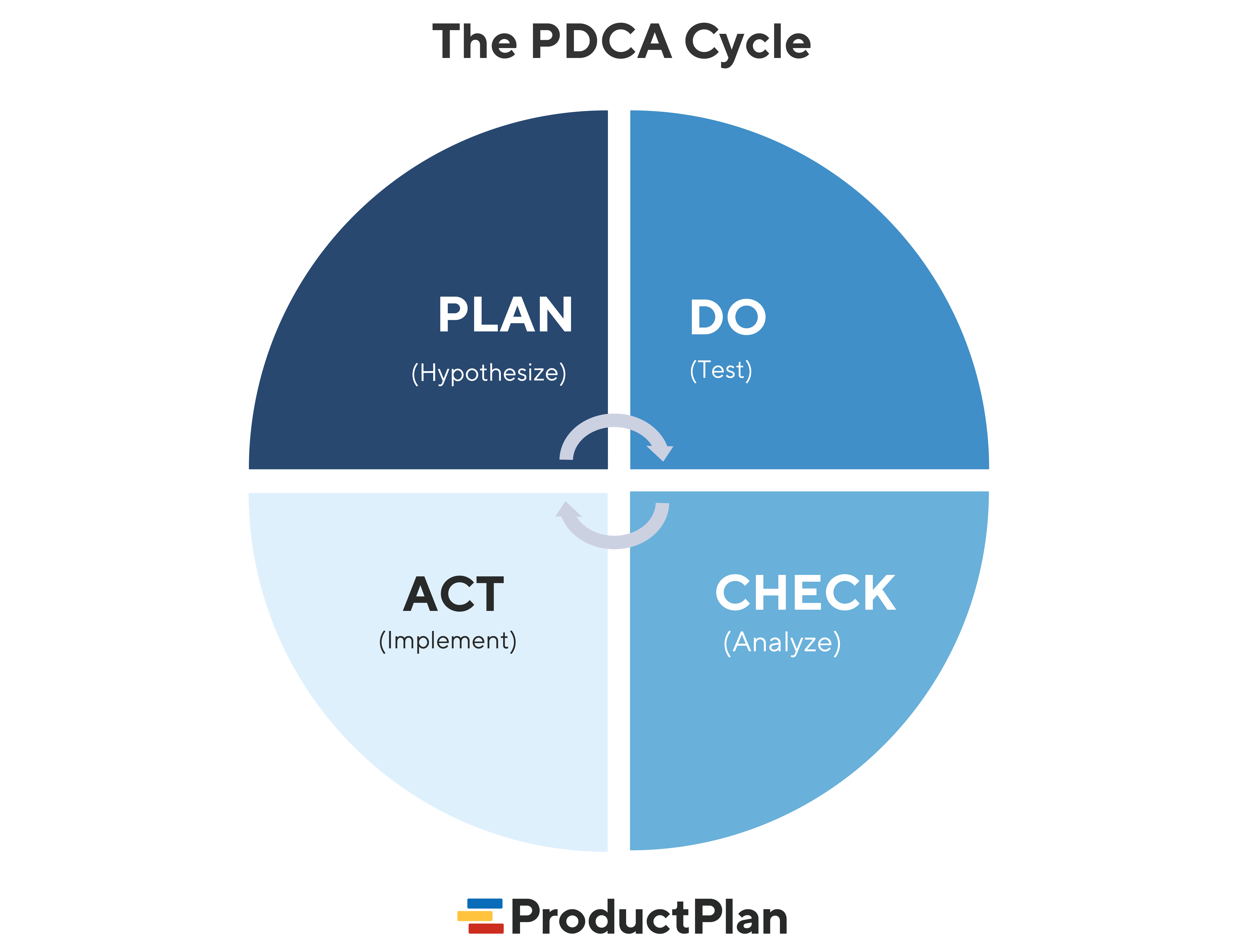
What Is the PDCA Cycle? The PDCA cycle is a project management framework that businesses can use to implement incremental change. PDCA stands for plan, do, check, and act. This four-step approach is the most widely used methodology for implementing continuous improvement. That is why the four steps are arranged in a circle. Businesses that […]

Sprint Goal

What is a Sprint Goal? In the scrum methodology for agile, sprint goals are clear objectives set before the beginning of a sprint. They are set by the product owner and delivery team collaboratively. Sprint goals should be easy to measure and should convey the underlying objective of the items in the sprint backlog.

Scrum Master

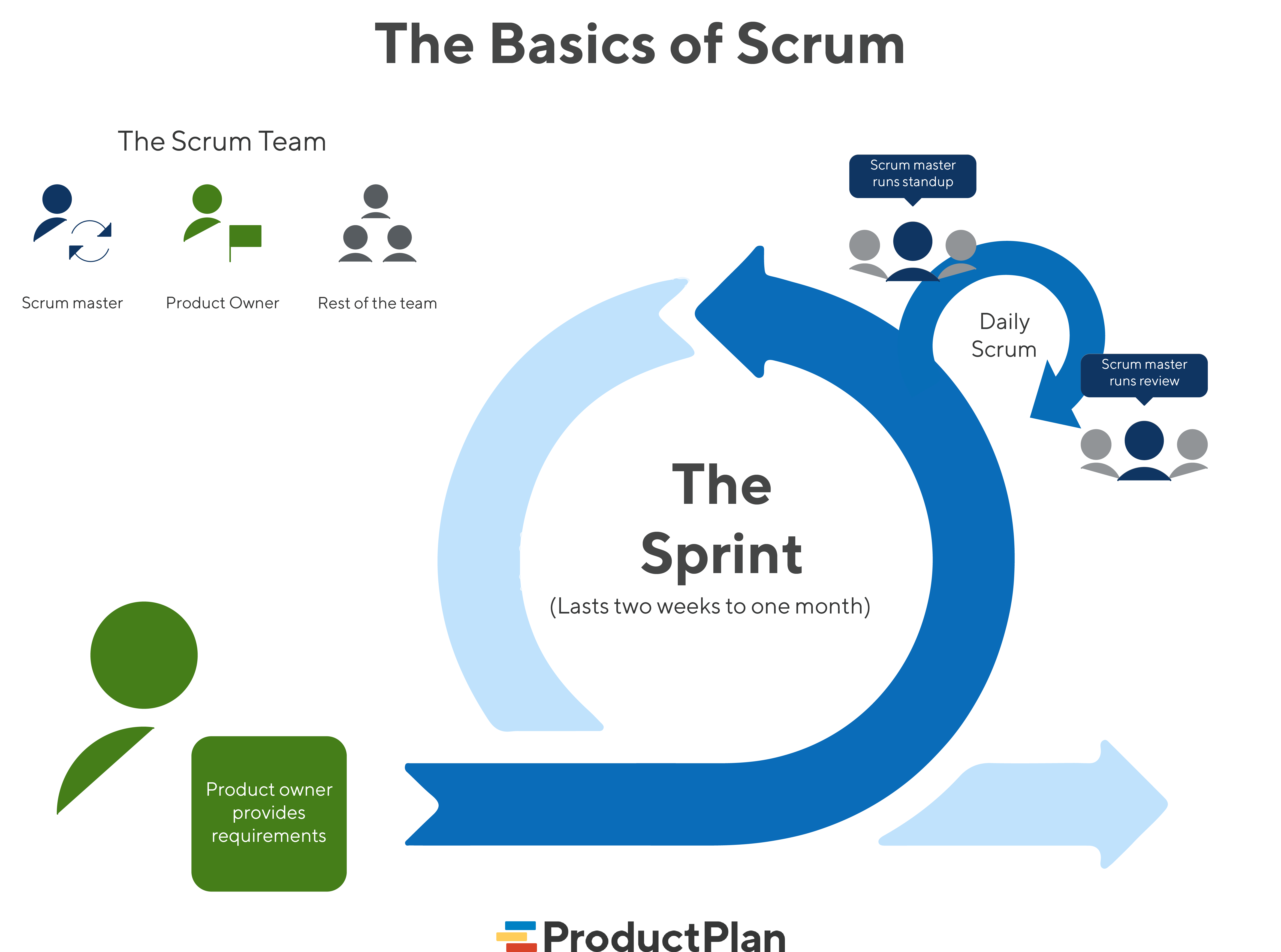
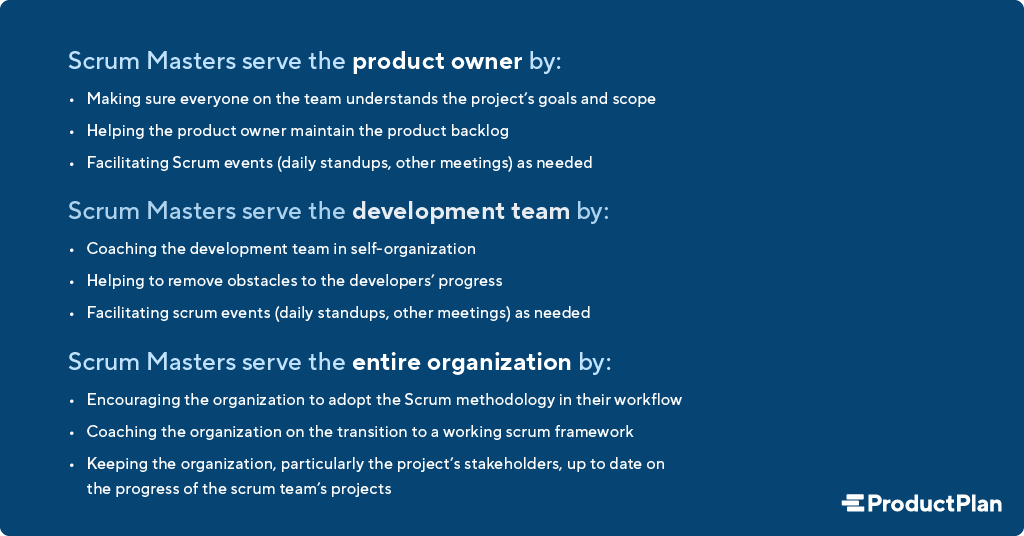
What is a Scrum Master? Scrum masters serve as facilitators for agile teams working under the scrum methodology. They’re the point person responsible for understanding the big development picture of each sprint. They bridge the needs of product management, sales, marketing, operations, and product development.  The scrum master works closely with the product owner to […]